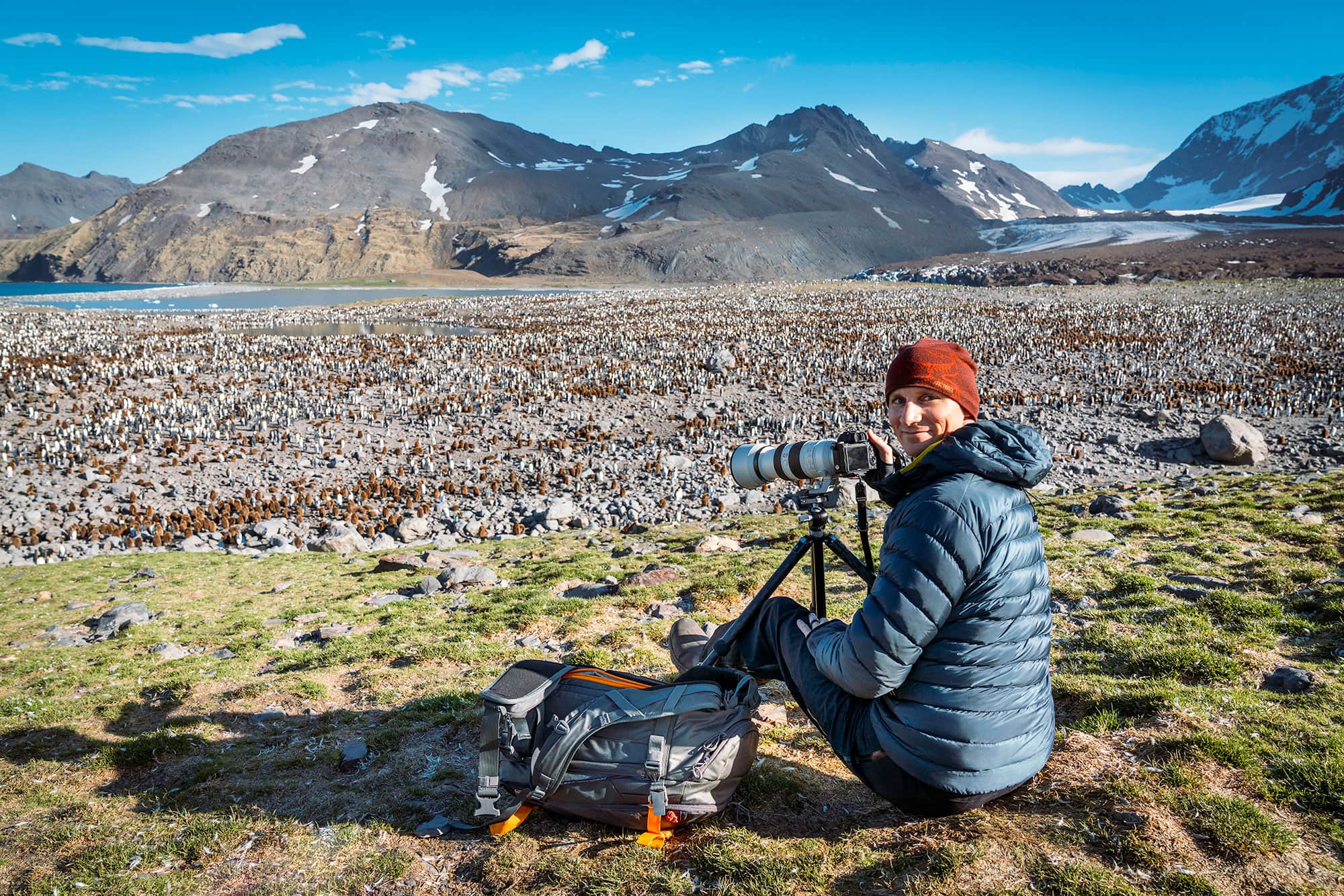
Capture Your Travel Memories Like a Pro
Let me start by saying this: I used to be that person who took 100 photos of the Eiffel Tower and ended up with 100 identical shots. I'd return from trips with a camera roll full of blurry landscapes and overcrowded tourist spots, wondering why my photos didn't look like the ones I saw on Instagram.
But then I had a breakthrough. I was traveling in Japan, and I spent an hour waiting for the perfect light at a temple in Kyoto. When the sun finally hit the pagoda just right, I took a photo that actually made me gasp when I saw it. That moment taught me that travel photography isn't just about pointing and shooting—it's about patience, observation, and storytelling.
Since then, I've traveled to over 40 countries, and my photography has evolved dramatically. I've learned what works, what doesn't, and how to capture moments that truly reflect the essence of a place.
This guide is a compilation of everything I've learned—from the mistakes I've made to the techniques that actually work. Whether you're using a smartphone or a professional camera, these tips will help you take better travel photos.
Understand the Rule of Thirds (But Don't Obsess Over It)
I used to think the rule of thirds was just another photography theory that didn't apply to real life. But then I started using it intentionally, and my photos immediately improved.
The rule of thirds is simple: imagine your frame divided into nine equal parts by two horizontal and two vertical lines, then place your main subject along these lines or at their intersections. This creates balanced and visually appealing images.
For example, when I'm photographing a sunset over the ocean, I'll place the horizon on the lower third line, not in the middle of the frame. This gives more space to the sky and creates a more dramatic composition.
But here's the thing: rules are meant to be broken. I've taken some of my favorite photos by intentionally ignoring the rule of thirds. The key is to understand the rule first, then decide when to follow it and when to break it.
Shoot During Golden Hour (My Favorite Time to Photograph)
I used to sleep in on vacation and miss the best light of the day. But then I visited Santorini and woke up at 5 a.m. to catch the sunrise. The light was soft and golden, and the white buildings glowed in a way I'd never seen before. I've been chasing golden hour ever since.
Golden hour is the first and last hour of sunlight of the day. The light is soft, warm, and diffused, which enhances colors and creates beautiful shadows. It's widely considered the best time for travel photography.
One trick I use: I check the sunrise and sunset times for my destination before I go, and I plan my photography outings around those times. I once woke up at 4:30 a.m. in Morocco to photograph the desert at sunrise, and it was worth every minute of lost sleep.
Capture Local Life (The Heart of Travel Photography)
I used to only take photos of landmarks and landscapes. But then I traveled to India, and I started capturing the everyday moments: a street vendor making chai, kids playing cricket in an alley, an elderly couple walking hand in hand. These photos ended up being my favorites because they tell a story.
Local life photos are the heart of travel photography. They capture the soul of a destination in a way that landmarks never can.
But it's important to be respectful when photographing people. I always ask permission before taking someone's photo, especially in more conservative cultures. I've found that most people are happy to be photographed if you approach them politely and show interest in their lives.
One trick I use: I'll start a conversation before taking a photo. I'll ask where they're from or what they're doing, and then I'll ask if I can take their photo. This creates a connection and often results in more natural, authentic photos.
Use Leading Lines (Create Depth and Interest)
I used to overlook leading lines until I visited Venice. I was walking along a narrow canal, and I noticed how the buildings on either side led the eye toward a bridge in the distance. I took a photo using that line, and it became one of my most popular shots.
Leading lines are natural or man-made elements that draw the viewer's eye into the image and create depth. They can be roads, paths, rivers, or architectural elements.
When I'm looking for leading lines, I ask myself: "Where do I want the viewer's eye to go?" Then I look for lines that lead in that direction.
Some of my favorite leading lines include:
- Narrow streets in European cities
- Boardwalks leading to the ocean
- Train tracks disappearing into the distance
- Staircases winding up to a viewpoint
Experiment with Different Perspectives (Change Your View)
I used to always take photos from eye level. But then I visited Iceland and started getting low to the ground to photograph waterfalls. The low perspective made the waterfalls look more powerful and dramatic.
Different perspectives can completely transform a photo. Don't be afraid to get low to the ground, climb to a higher vantage point, or shoot from unusual angles.
One of my favorite tricks: I'll hold my smartphone above my head to get a better view over a crowd. This works especially well in busy tourist spots.
Another trick: I'll lie on the ground to photograph flowers or small details. This creates a more intimate, interesting perspective.
Pay Attention to Backgrounds (The Secret to Clean Photos)
I used to take photos without paying attention to the background, and I'd end up with distractions like trash cans or random people in my shots. But then I learned to check the background before I press the shutter.
A cluttered or distracting background can ruin an otherwise great photo. Look for clean backgrounds, or use a wide aperture to blur the background and make your subject stand out.
One trick I use: I'll move around until I find a clean background. For example, if I'm photographing a person, I'll move until the background is a plain wall or a tree, not a busy street.
Another trick: if I can't find a clean background, I'll use the portrait mode on my smartphone or a wide aperture on my camera to blur the background.
Capture Details and Wide Shots (Tell the Full Story)
I used to only take wide landscape shots, but then I realized that details are just as important. When I visited Thailand, I took photos of the intricate carvings on temples, the vibrant colors of street food, and the patterns in traditional textiles. These detail shots complement my wide shots and tell a more complete story.
Great travel photography includes both wide shots and close-up details. Wide shots establish the scene, while detail shots capture the essence of a place.
My rule of thumb: for every wide shot I take, I try to take at least one detail shot. This creates a more diverse and interesting photo collection.
Master Your Camera Settings (Don't Let Technology Hold You Back)
I used to be intimidated by my camera's manual settings. I'd just leave it on auto and hope for the best. But then I took a weekend photography class, and I learned the basics of aperture, shutter speed, and ISO. Suddenly, I had much more control over my photos.
Whether you're using a smartphone or a DSLR, take the time to learn your camera's settings. Understanding the exposure triangle (aperture, shutter speed, ISO) will give you more control over your images.
One trick I use: I'll practice with my camera before I go on a trip. I'll experiment with different settings in my backyard or at a local park, so I'm comfortable using them when I'm traveling.
For smartphone users: Most modern smartphones have pro modes that allow you to adjust settings manually. Take the time to learn how to use these features.
Edit Your Photos Thoughtfully (Enhance, Don't Overwhelm)
I used to overedit my photos, making them look unrealistic with oversaturated colors and extreme contrast. But then I realized that less is more when it comes to editing.
Post-processing can enhance your photos, but it's important to edit thoughtfully. Adjust exposure, contrast, and colors subtly to maintain a natural look.
My go-to editing tools: I use Lightroom for my DSLR photos and VSCO for my smartphone photos. Both allow me to make subtle adjustments that enhance the photo without changing its essence.
One trick I use: I'll edit a photo, then step away from it for a few minutes. When I come back, I can see if I've overedited it and make adjustments accordingly.
Tell a Story with Your Photos (The Most Important Tip)
I used to just take random photos without thinking about the bigger picture. But then I started curating my photos into stories, and my photography became much more meaningful.
Great travel photography tells a story. Think about the narrative you want to convey and how each photo contributes to that story.
For example, when I traveled to Vietnam, I created a story about daily life in Hanoi. I took photos of people cycling to work, vendors selling pho, kids playing in the street, and elderly men playing chess in the park. Together, these photos tell a more complete story than any single photo could.
One trick I use: before I go on a trip, I'll think about the story I want to tell. Then I'll look for photos that contribute to that story.
Final Photography Tips (From My Own Mistakes)
Over the years, I've made plenty of mistakes. Here are some lessons I've learned the hard way:
- Always carry a portable charger: I once missed the perfect sunset in Santorini because my camera battery died.
- Protect your equipment: I once had sand get in my camera in the Sahara Desert, and it cost me $200 to repair.
- Be patient: I once waited 2 hours for the perfect light at Machu Picchu, and it was worth every minute.
- Learn from others: I follow travel photographers on Instagram and study their work for inspiration.
- Put your camera down occasionally: I used to be so focused on taking photos that I missed the experience. Now I make a point to put my camera down and just enjoy the moment.
Conclusion
Travel photography isn't about having the most expensive camera or being a professional. It's about seeing the world with curiosity and capturing moments that matter to you.
Remember: the best travel photos are the ones that evoke emotion and tell a story. They don't have to be perfect—they just have to be authentic.
So next time you're traveling, take your time. Look for the little moments. Experiment with different perspectives. And most importantly, have fun.
After all, the best camera is the one you have with you, and the best photos are the ones that bring back memories when you look at them years later.