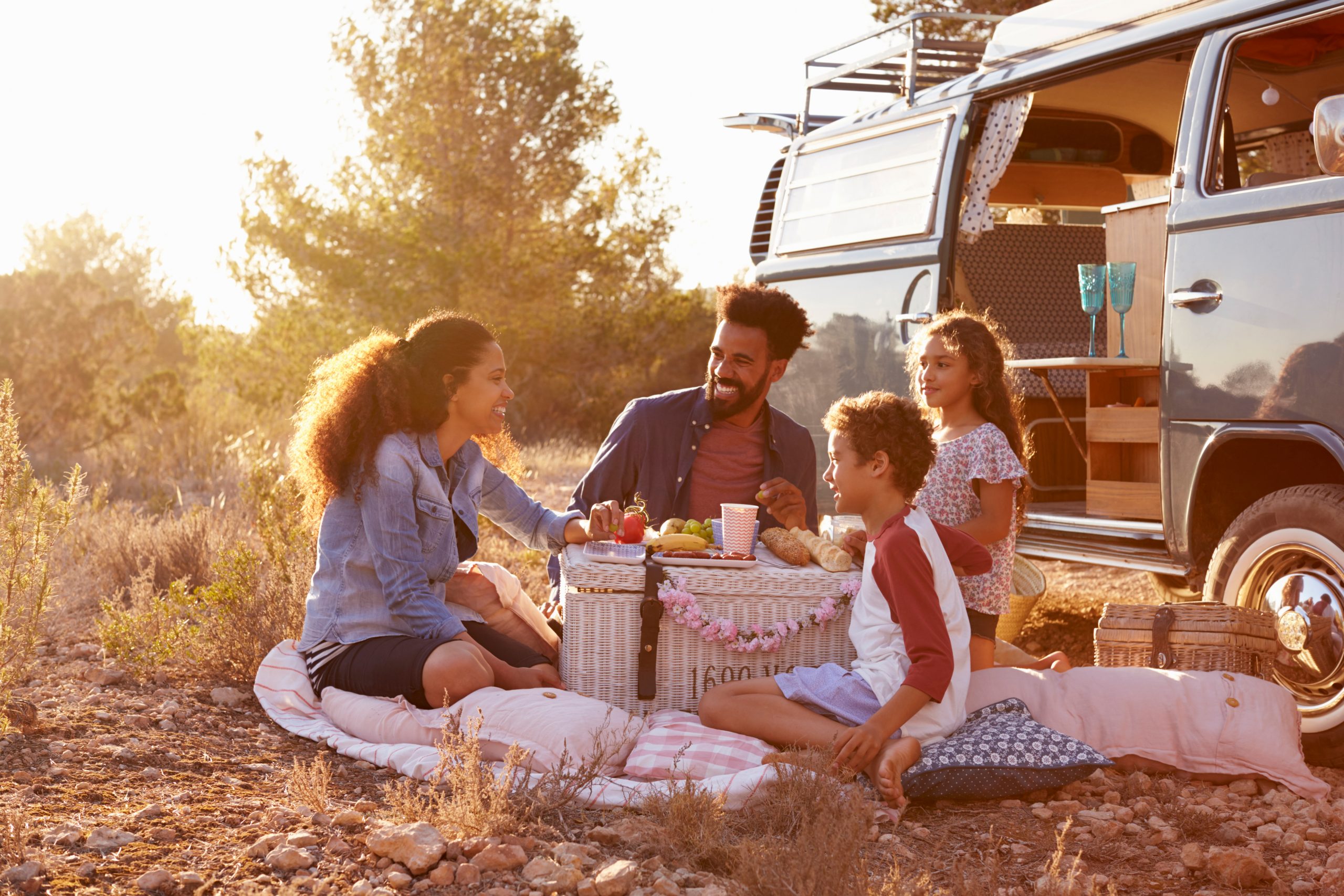
Introduction to Family Travel
Let me start by saying this: family travel isn't always picture-perfect. I've been traveling with my wife and two kids (ages 8 and 11) for the past 6 years, and I've had my fair share of meltdowns—both theirs and mine. But here's the thing: those messy moments? They often turn into our favorite memories.
A few years ago, we planned a "perfect" Disney vacation. We had fast passes, reservations at all the best restaurants, and a minute-by-minute itinerary. But then our flight got delayed, our luggage got lost, and our 8-year-old threw a tantrum in the middle of Magic Kingdom because she was tired. I thought the whole trip was ruined—until we skipped our dinner reservation, bought Mickey Mouse ice cream bars, and watched the fireworks from a random spot on the grass. That moment? It's one of our most cherished family memories.
Through trial and error, I've learned that family travel success isn't about being perfect—it's about being prepared, flexible, and kind to each other. This guide is a compilation of everything I've learned over the years, from the mistakes I've made to the strategies that actually work.
Involve Kids in the Planning Process (But Set Boundaries)
Here's what I've learned: when kids feel like they have a say in the trip, they're more invested in it. My daughter loves animals, so when we planned our trip to San Diego, we let her choose the zoo over the aquarium. My son is obsessed with space, so we made sure to include the Air and Space Museum in Washington, D.C.
But here's the trick: don't give them unlimited choices. I used to say, "Where do you want to go?" and get answers like "Disney World every weekend" or "the moon." Now I give them 2-3 realistic options, and let them pick from those. It gives them a sense of control without overwhelming the planning process.
Choose Family-Friendly Accommodations (That Work for Everyone)
We've stayed in everything from luxury resorts to budget motels, and here's what I've learned: the best family accommodations aren't about the price—they're about the amenities.
Our must-haves now include: a pool (non-negotiable for my kids), a kitchenette (saves money on meals and lets us have breakfast in our room), and separate sleeping areas (my wife and I need some quiet time after the kids go to bed).
One of our best finds was a condo rental in Orlando with a private pool. It was cheaper than a hotel, had more space, and the kids spent hours swimming while we relaxed on the patio. Worth every penny.
Pack Smart (And Then Pack Less)
I used to overpack for family trips. I'd bring 5 outfits per person, just in case. Now? I've learned that less is more.
My packing strategy now: 3-4 outfits per person, a few extra pairs of underwear and socks, and a small bag of essentials for the plane or car ride. That essentials bag includes: snacks, water bottles, wipes, hand sanitizer, a first-aid kit, and a few small toys or games.
Pro tip: Roll your clothes instead of folding them. It saves space and reduces wrinkles. I also use packing cubes to keep everyone's clothes separate—no more digging through a messy suitcase to find a specific shirt.
Schedule Downtime (Trust Me, You Need It)
This is the one I had to learn the hard way. On our first family trip to New York City, I tried to see everything in 3 days. We did the Empire State Building, the Statue of Liberty, Central Park, the Metropolitan Museum of Art—all in one day. By 5 PM, my kids were crying, my wife was irritable, and I was exhausted. We ended up ordering pizza to our hotel room and watching movies instead of going to Broadway.
Now I build downtime into every day. We'll plan 1-2 main activities, and then leave the rest of the day open. That might mean napping in the afternoon, playing at a park, or just hanging out at the hotel pool. It makes the whole trip more enjoyable for everyone.
Bring Entertainment (But Not Too Much)
My kids love their tablets, and I'm not going to lie—they're a lifesaver on long flights or car rides. But I also make sure to bring non-electronic entertainment options.
Our go-to's include: coloring books, card games, travel-sized board games, and books. I also like to bring a small notebook for each kid to journal about their trip—they love looking back at these later.
One rule we have: no screens during meal times or when we're exploring new places. It helps them stay present and engaged with their surroundings.
Be Flexible (Plans Are Just Suggestions)
Here's a hard truth: no matter how well you plan, something will go wrong. On our trip to the Grand Canyon, our hike got rained out. On our trip to the beach, a storm kept us inside for two days. But those unexpected changes? They often led to our best experiences.
When the Grand Canyon hike got rained out, we ended up visiting a local museum and learning about Native American history. When the beach storm hit, we built a fort in our hotel room and had a movie marathon. Both experiences are now some of our favorites.
My advice: have a plan, but be willing to throw it out the window if something better comes along. Flexibility is key to stress-free family travel.
Choose Kid-Friendly Activities (That Adults Will Enjoy Too)
I used to think that family travel meant doing only kid-focused activities. But now I know that the best trips include activities that everyone can enjoy.
Our favorite family activities include: hiking (easy trails, of course), visiting zoos and aquariums, exploring national parks, and trying local foods. We also love interactive museums—places where kids can touch, play, and learn.
One of our best finds was the Children's Museum of Indianapolis. It's huge, has exhibits for all ages, and even has a section where parents can relax while kids play. We spent the entire day there and everyone left happy.
Eat Well (But Don't Stress About It)
Food is a big part of travel, but it can also be a source of stress with kids. My kids are picky eaters, so I used to worry about them not eating when we traveled.
Now I have a strategy: pack healthy snacks (granola bars, fruit, veggies with hummus), research family-friendly restaurants in advance, and let them have a few treats.
Pro tip: Look for restaurants with kids' menus or buffet-style places where they can choose what they want. And don't be afraid to let them have ice cream for lunch once in a while—vacation is about fun, after all.
Stay Safe (Without Being Overprotective)
Safety is always my top priority when traveling with my kids. I keep an eye on them at all times, especially in crowded places. I also make sure they know what to do if they get lost: stay where they are, look for a staff member or police officer, and never go with a stranger.
One thing I do before every trip: take a photo of my kids each morning. That way, if they do get lost, I have a recent photo of what they're wearing. It's a simple trick, but it gives me peace of mind.
Travel During Off-Peak Hours (Avoid the Crowds)
We've learned to avoid peak travel times whenever possible. That means flying early in the morning or late at night, and visiting popular attractions during the week or during non-peak hours.
On our trip to Disneyland, we arrived 30 minutes before the park opened. We got to ride our favorite rides with no lines, and by the time the crowds arrived, we were ready for a break. It made the whole day more enjoyable.
Capture the Moment (But Don't Forget to Live It)
I love taking photos of our family trips, but I've learned to balance photography with being present.
My rule now: take a few photos at each location, then put the camera away and enjoy the moment. The photos are important, but the memories are more so.
One of our best family photos was taken by a stranger at Yellowstone National Park. We were all laughing, covered in mud from a hike, and it perfectly captures the chaos and joy of our trip. It's now framed in our living room.
Lower Your Expectations (Perfection Isn't the Goal)
This is the most important tip of all. Family travel won't be perfect. There will be meltdowns, disagreements, and unexpected challenges. But that's okay.
On our last trip to Hawaii, my son got sunburned, my daughter lost her favorite toy, and we missed our snorkeling tour because of traffic. But we also watched the sunset on the beach, went hiking through a rainforest, and had the best shaved ice of our lives. Those are the moments we'll remember.
My advice: let go of the idea of a "perfect" family vacation. Instead, focus on creating memories together—even if they're messy.
Conclusion
Family travel is hard work. It requires planning, patience, and flexibility. But it's also one of the best ways to bond with your loved ones. The memories you create together will last a lifetime.
Remember: the goal isn't to have a perfect trip. It's to have fun, learn together, and create memories that you'll talk about for years to come.
So go ahead—book that trip, pack your bags, and embrace the chaos. Your family will thank you for it.