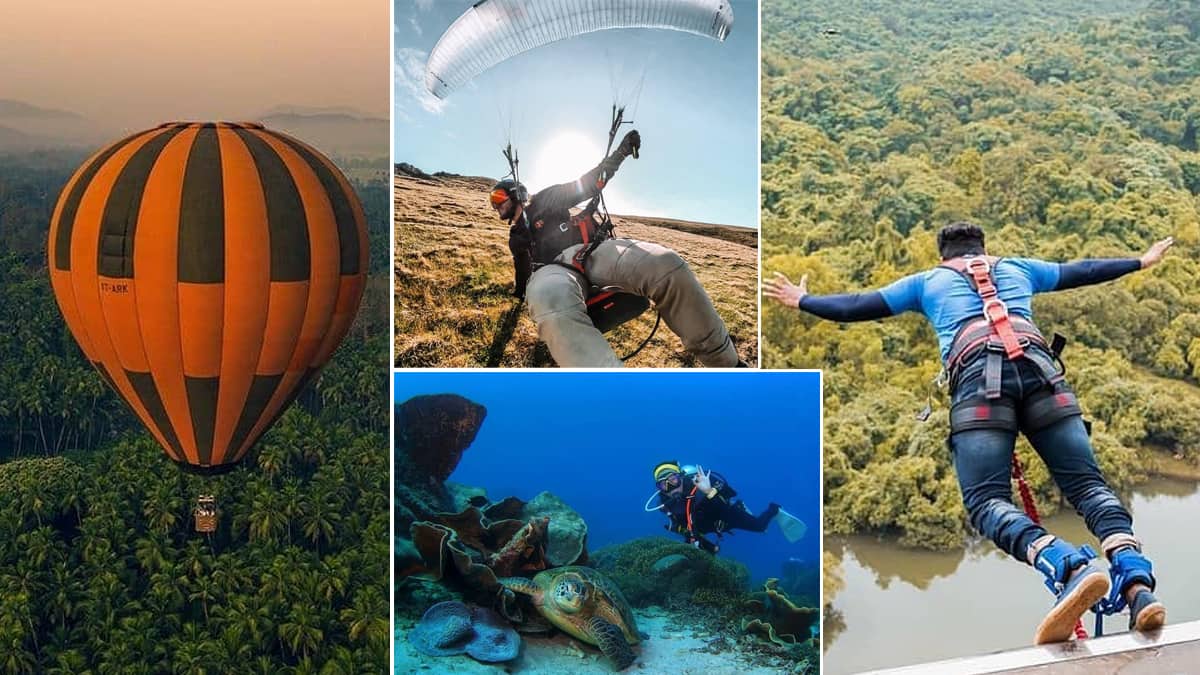
My Adventure Journey
For as long as I can remember, I've been drawn to activities that get my heart racing and push me out of my comfort zone. Over the past 15 years, I've tried everything from white-water rafting in Costa Rica to ice climbing in Norway, and I've learned that the best adventures aren't just about the thrill—they're about the stories, the connections, and the personal growth that comes with stepping into the unknown.
This guide shares 15 of my favorite adventure activities from around the world, along with practical tips, personal experiences, and honest insights to help you decide which ones are right for your next vacation. Whether you're an experienced thrill-seeker or just looking to add a little excitement to your travels, there's something here for everyone.
On some adventure trips, especially during peak season, the long waits for equipment rentals or guide availability can be frustrating. I've spent hours waiting in line only to get limited time on the activity itself. Not every adventure lives up to the hype either—some are overcrowded or poorly organized, and part of the experience is learning which ones are truly worth your time and money.
This guide is updated periodically as adventure operators, safety regulations, and access conditions change.
Who Should Try These Adventure Activities?
- Travelers looking to create unforgettable memories and stories
- People who enjoy pushing their boundaries and trying new things
- Nature lovers who want to experience destinations in an active way
- Adventure enthusiasts seeking their next challenge
- Anyone wanting to break free from the typical tourist experience
Who Might Want to Skip These Activities?
- Those with serious medical conditions that could be aggravated by physical activity
- Travelers who prefer a more relaxed, predictable vacation pace
- People with extreme fear of heights, water, or other specific phobias
- Those on a very tight schedule who can't afford potential delays
- Travelers who are not comfortable with a certain level of risk
Adventures That Changed How I Travel
1. White-Water Rafting: The Day I Learned to Trust My Team
There's nothing quite like the rush of navigating rapids with a team, the spray of water in your face, and the sound of the river roaring around you. I've rafted in several countries, but my most memorable experience was on the Pacuare River in Costa Rica, where we navigated Class IV rapids surrounded by lush rainforest.
Best destinations: Costa Rica (Pacuare River), USA (Colorado River), New Zealand (Kawarau River), Nepal (Trishuli River)
Skill level: Beginner to advanced (there are trips for all levels)
What to bring: Quick-dry clothing, water shoes, sunscreen, and a waterproof camera case
Realistic note: You will get wet—very wet. I've spent entire rafting trips soaked to the bone, and while it's part of the fun, it can be chilly in cooler climates.
At least for me, this worked better than I expected—but I've seen others struggle with it. If you're someone who panics easily in unexpected situations, this might not be for you. But if you can stay calm and work as a team, it's an exhilarating experience that creates instant bonds with your fellow rafters.
2. Rock Climbing: Harder Than It Looks, But Worth Every Sore Muscle
Whether you're scaling a towering cliff or bouldering close to the ground, rock climbing challenges both your body and mind. I started climbing as a way to stay fit while traveling, and now it's one of my favorite ways to experience a new destination—from the sandstone formations in Moab to the limestone cliffs in Thailand.
Best destinations: USA (Moab, Yosemite), Thailand (Tonsai Beach), Spain (El Chorro), South Africa (Rocklands)
Skill level: Beginner to advanced (indoor gyms are great for starting)
What to bring: Comfortable, flexible clothing, climbing shoes (can rent), chalk bag, and a water bottle
Realistic note: Climbing can be physically demanding, especially on your forearms and fingers. I've had days where I could barely open a water bottle after a long climbing session.
I wouldn't recommend rock climbing for those with a severe fear of heights or limited upper body strength, but for those who enjoy problem-solving and physical challenges, it's a rewarding activity that lets you see destinations from unique perspectives.
3. Zip-Lining: Fun, But Not Always as Thrilling as They Promise
Zip-lining gives you the sensation of flying as you glide through the air from platform to platform. It's a great way to experience the beauty of a forest or canyon without strenuous hiking, and it's accessible to most fitness levels.
Best destinations: Costa Rica (Monteverde Cloud Forest), New Zealand (Queenstown), South Africa (Cape Town), Hawaii (Maui)
Skill level: Beginner-friendly
What to bring: Comfortable clothing, closed-toe shoes, and a sense of adventure
Realistic note: Lines can be long during peak season, and some zip-line courses are more thrilling than others. I've been on courses where I barely picked up speed, and others that had me screaming with excitement.
I still haven't decided whether I would go back to some of the zip-line courses I've tried. Some were incredible, while others felt like a tourist trap. But for those who want a taste of adventure without too much physical exertion, it's worth trying at least once.
4. Surfing: The Sport That Taught Me Patience
Catching your first wave is a feeling I'll never forget—it's a mix of excitement, accomplishment, and pure joy. Surfing requires patience and persistence, but once you get the hang of it, it's incredibly addictive.
Best destinations: Hawaii (North Shore), Indonesia (Bali), Australia (Gold Coast), Portugal (Nazare)
Skill level: Beginner to advanced (take lessons if you're new)
What to bring: Swimsuit, rash guard, sunscreen, and a surfboard (can rent)
Realistic note: You will spend a lot of time paddling and wiping out before you catch your first wave. I've had sessions where I didn't stand up once, but the feeling of finally riding a wave makes it all worth it.
At least for me, this worked better than I expected—but I've seen others struggle with it. If you're someone who gets frustrated easily, surfing might not be for you. But if you can embrace the process and enjoy being in the ocean, it's a lifestyle as much as an activity.
The Adventure Moment I Almost Missed
There was a morning in Bali when I almost skipped surfing. I was tired from the previous day's hike, and the waves looked small from the beach.
I hesitated for a long time, weighing the effort against the potential reward. Eventually, I decided to go out anyway, just for a short session.
That day, I caught the best wave of my life. It wasn't huge, but it was perfect for me—long, smooth, and just challenging enough. I rode it all the way to the shore, feeling like I was flying.
At the time, it felt like a lucky break. Looking back, it taught me to never judge an adventure by its first impression.
5. Hiking to Remote Waterfalls: Beautiful, But Sometimes Disappointing
There's something magical about trekking through wilderness to find a hidden waterfall, especially when you have the place to yourself. I've hiked to waterfalls in countries around the world, and each one offers a unique experience.
Best destinations: Iceland (Seljalandsfoss and Skógafoss), Costa Rica (La Fortuna Waterfall), New Zealand (Huka Falls), USA (Multnomah Falls)
Skill level: Varies by trail (from easy walks to strenuous hikes)
What to bring: Hiking boots, water bottle, snacks, insect repellent, and a camera
Realistic note: Trails can be muddy and slippery, especially after rain. I've fallen more than once on waterfall hikes, so proper footwear is essential.
I wouldn't recommend remote waterfall hikes for those with mobility issues or who are not prepared for variable trail conditions, but for those who enjoy hiking and nature, it's a wonderful way to discover hidden gems.
6. Scuba Diving: Incredible, But Not Without Risks
Exploring the underwater world is like visiting another planet—coral reefs teeming with colorful fish, shipwrecks steeped in history, and marine life that will leave you in awe. I got certified in Thailand and have been diving ever since.
Best destinations: Great Barrier Reef (Australia), Maldives, Galapagos Islands (Ecuador), Red Sea (Egypt)
Skill level: Certification required for most dives (beginner courses available)
What to bring: Swimsuit, towel, sunscreen (reef-safe), and dive certification (if you have one)
Realistic note: Diving can be expensive, and not all dive shops are created equal. I've had poorly organized trips where we spent more time on the boat than in the water.
At least for me, this worked better than I expected—but I've seen others struggle with it. If you have certain medical conditions (like asthma or heart problems) or are claustrophobic, scuba diving might not be for you. But for those who love the ocean, it's an unforgettable experience.
A Mistake I Made Early On
When I first started adventure travel, I tried to do everything. I packed my schedule with back-to-back activities, rushing from one thrill to the next.
On a trip to Costa Rica, I booked white-water rafting in the morning, zip-lining in the afternoon, and a night hike for the evening. By the end of the day, I was exhausted and couldn't fully appreciate any of the experiences.
I thought I was maximizing my time, but I was actually missing the point. Adventure isn't about checking boxes—it's about being present in the moment.
7. Mountain Biking: The Sport That Keeps Me Coming Back
Mountain biking lets you cover more terrain than hiking while still getting an up-close experience of nature. From flowy singletrack to technical descents, there's a trail for every skill level.
Best destinations: Moab (USA), Whistler (Canada), Queenstown (New Zealand), Finale Ligure (Italy)
Skill level: Beginner to advanced
What to bring: Helmet, gloves, water bottle, repair kit, and appropriate clothing
Realistic note: Mountain biking can be hard on your body, especially your hands and back. I've had some brutal crashes over the years, so protective gear is non-negotiable.
I still haven't decided whether I would go back to some of the more technical trails I've tried. They were challenging, but also incredibly rewarding. But for those who enjoy cycling and nature, mountain biking is a thrilling way to explore.
8. Paragliding: Peaceful, But Not Without Nerves
Paragliding offers a unique perspective of the world—floating silently above landscapes, feeling the wind in your face, and seeing views that few people get to experience.
Best destinations: Interlaken (Switzerland), Queenstown (New Zealand), Oludeniz (Turkey), Pokhara (Nepal)
Skill level: Tandem flights available for beginners (no experience needed)
What to bring: Comfortable clothing, closed-toe shoes, and a camera (many operators provide photo/video services)
Realistic note: Weather conditions can cause last-minute cancellations. I've had flights canceled multiple times due to wind or rain, so it's best to have a flexible schedule.
At least for me, this worked better than I expected—but I've seen others struggle with it. If you have a severe fear of heights or certain medical conditions, paragliding might not be for you. But for those who can overcome their initial nerves, it's one of the most peaceful yet exhilarating adventures you can have.
9. Kayaking/Canoeing
Whether you're paddling through calm lakes, meandering rivers, or coastal waters, kayaking and canoeing let you explore at your own pace while getting up close to wildlife and scenery.
Best destinations: Norway (fjords), Canada (Banff), New Zealand (Milford Sound), USA (Everglades)
Skill level: Beginner-friendly
What to bring: Water-resistant clothing, water shoes, sunscreen, water bottle, and a dry bag for valuables
Realistic note: Paddling can be more physically demanding than it looks, especially over long distances or in windy conditions. I've had arm cramps after several hours of kayaking.
I wouldn't recommend extended kayaking trips for those with limited upper body strength, but for those who enjoy being on the water and exploring at a leisurely pace, it's perfect.
10. Canyoning
Canyoning combines hiking, climbing, jumping, and sliding as you make your way down a canyon. It's a full-body adventure that lets you experience canyons in a way that's impossible from the top.
Best destinations: Switzerland (Interlaken), New Zealand (Queenstown), Costa Rica (La Fortuna), USA (Utah)
Skill level: Beginner to advanced
What to bring: Quick-dry clothing, water shoes, towel, and a sense of adventure
Realistic note: Water temperatures can be cold, even in warm climates. I've been canyoning in tropical countries and still felt freezing in the water.
I wouldn't recommend canyoning for those who are not comfortable with heights, water, or physical exertion, but for those who want a well-rounded adventure, it's hard to beat.
11. Safari (Walking or Game Drive)
While not traditionally thought of as an "adventure activity," walking safaris, in particular, offer a thrilling way to experience wildlife up close in their natural habitat.
Best destinations: South Africa, Kenya, Tanzania, Botswana, Zimbabwe
Skill level: Beginner-friendly (with experienced guides)
What to bring: Neutral-colored clothing, sturdy shoes, binoculars, camera, sunscreen, and insect repellent
Realistic note: Wildlife sightings are not guaranteed, and safaris can be long days with early mornings. I've spent hours on game drives without seeing much, but when you do spot something incredible, it makes it all worth it.
I wouldn't recommend walking safaris for those who are not in reasonable physical condition or who are extremely nervous around wildlife, but for those who love nature and animals, it's a life-changing experience.
12. Ice Climbing
Ice climbing is one of the most physically and mentally demanding adventure activities, but the sense of accomplishment when you reach the top of a frozen waterfall is unparalleled.
Best destinations: Canada (Banff), USA (Ouray), Norway, Iceland, Switzerland
Skill level: Intermediate to advanced (prior climbing experience recommended)
What to bring: Warm, waterproof clothing, insulated boots, gloves, and climbing gear (can rent)
Realistic note: It's cold—really cold. I've had days where my fingers and toes were numb despite wearing multiple layers, and the learning curve is steep.
I wouldn't recommend ice climbing for beginners or those who can't handle cold weather, but for experienced climbers looking for a new challenge, it's incredibly rewarding.
13. Sandboarding
Like snowboarding but on sand dunes, sandboarding is a fun, accessible adventure activity that's perfect for desert destinations.
Best destinations: Dubai (United Arab Emirates), Peru (Huacachina), Namibia (Sossusvlei), Australia (Lancelin)
Skill level: Beginner to advanced
What to bring: Comfortable clothing, closed-toe shoes, sunscreen, sunglasses, and a hat
Realistic note: Climbing back up the dunes after each run is tiring. I've spent more time climbing than boarding, but the descent is worth the effort.
I wouldn't recommend sandboarding for those with knee problems or who are not comfortable with falling (you will fall), but for those who want a unique desert experience, it's a blast.
14. Caving/Spelunking
Exploring caves takes you into a hidden world beneath the surface, with stunning rock formations, underground rivers, and a sense of adventure that's hard to find elsewhere.
Best destinations: New Zealand (Waitomo Glowworm Caves), USA (Mammoth Cave), Thailand (Phraya Nakhon Cave), Slovenia (Postojna Cave)
Skill level: Beginner to advanced
What to bring: Comfortable, flexible clothing, sturdy shoes, headlamp, and water bottle
Realistic note: Caves are dark, damp, and can be claustrophobic. I've been in caves where I had to crawl through tight spaces, and it's not for everyone.
I wouldn't recommend caving for those who are claustrophobic or have respiratory issues, but for those who are curious about the underground world, it's a fascinating adventure.
15. Kitesurfing/Windsurfing
Combining elements of surfing, wakeboarding, and sailing, kitesurfing and windsurfing let you harness the power of the wind for an exhilarating experience on the water.
Best destinations: Tarifa (Spain), Maui (Hawaii), Cape Town (South Africa), Boracay (Philippines)
Skill level: Intermediate to advanced (lessons recommended)
What to bring: Swimsuit, rash guard, sunscreen, and equipment (can rent)
Realistic note: The learning curve is steep. I spent weeks learning to kiteurf before I could consistently get up and ride, and it was frustrating at times.
I wouldn't recommend kitesurfing or windsurfing for those who are impatient learners or not strong swimmers, but for those who stick with it, it's one of the most freeing adventure activities you can do.
Practical Tips for Adventure Travel
Choosing the Right Adventure
- Assess your fitness level: Be honest about what you can handle physically, and choose activities that match your abilities.
- Research operators: Look for reputable companies with good safety records and experienced guides.
- Check weather conditions: Many adventure activities are weather-dependent, so plan accordingly.
- Read reviews: Learn from others' experiences to avoid disappointment.
- Consider travel insurance: Make sure your policy covers adventure activities.
What to Pack for Adventure Travel
- Versatile clothing: Quick-dry, moisture-wicking fabrics that can be layered
- Sturdy footwear: Appropriate for the activities you'll be doing
- Protection from the elements: Sunscreen, hat, sunglasses, rain gear
- First aid kit: Basic supplies for minor injuries
- Hydration system: Water bottle or hydration pack
- Navigation tools: Map, compass, or GPS device
- Energy snacks: Lightweight, high-energy foods
- Communication devices: Cell phone, portable charger, and possibly a satellite phone for remote areas
Safety Considerations
- Listen to your guide: They know the area and the activity best
- Know your limits: Don't push yourself beyond what you're comfortable with
- Stay hydrated: Dehydration can lead to fatigue and poor decision-making
- Be aware of your surroundings: Pay attention to potential hazards
- Travel with a buddy: Adventure activities are safer and more fun with a partner
Frequently Asked Questions
How do I choose the right adventure activity for my skill level?
Start by being honest about your physical fitness and experience level. Many adventure operators offer different difficulty levels, so look for something that challenges you but doesn't put you at risk. If you're unsure, start with a beginner-friendly option and work your way up.
What should I do if I'm nervous about trying a new adventure activity?
It's normal to feel nervous! Talk to your guide about your concerns, start with a shorter or less intense version of the activity, and remember that you can always stop if it's too much. Many people find that the nervousness fades once they start the activity and get into the flow.
How much do adventure activities typically cost?
Prices vary widely depending on the activity, destination, and operator. Expect to pay anywhere from $50 for a basic zip-line tour to several hundred dollars for a multi-day adventure like a safari or canyoning trip. While it can be expensive, remember that you're paying for experienced guides, equipment, and safety measures.
What's the best time of year to plan an adventure vacation?
The best time depends on the destination and activity. For example, white-water rafting is best during spring runoff, while rock climbing in desert areas is better in cooler months. Research the specific activity and destination to find the optimal time to visit.
How can I make my adventure travel more sustainable?
Choose operators that prioritize environmental conservation and support local communities. Minimize your waste by bringing reusable water bottles and bags. Respect wildlife and natural habitats by following guidelines and staying on designated trails. Consider offsetting your carbon emissions from travel.
Adventure activities carry inherent risks, and conditions can change rapidly. Always follow the instructions of experienced guides and check local safety advisories before participating in any adventure activity.
Conclusion: The Joy of Adventure Travel
Adventure travel is about more than just thrills—it's about stepping outside your comfort zone, challenging yourself, and creating memories that will last a lifetime. Whether you're navigating rapids, scaling a cliff, or exploring a cave, these activities offer a unique way to experience the world and learn more about yourself in the process.
Over the years, I've learned that the best adventures aren't always the most extreme ones—they're the ones that push you just enough, that connect you with nature and local cultures, and that leave you with stories to tell for years to come. I've had my share of mishaps and disappointments, but they've only made the successful adventures sweeter.
So whether you're a seasoned adventurer or trying something new, I encourage you to embrace the unknown, be open to new experiences, and most importantly, have fun. The world is full of thrilling adventures waiting to be discovered—all you have to do is take that first step.
About David
I'm David, a guy who's spent the past 15 years chasing adventures around the world—not as a professional, but as someone who just loves pushing his limits (and sometimes failing spectacularly).
I don't claim to be an expert. In fact, I still make mistakes all the time. I've missed flights because I was too busy exploring, gotten lost in foreign countries, and had more than my fair share of disappointing adventures.
Over the years, I've revisited many of the same adventure destinations multiple times, noticing how seasons, weather, and tourism trends change the experience. I don't shoot every adventure with the latest gear, and I still miss shots more often than I'd like to admit.
When not seeking my next adventure, I call Denver, Colorado home, where I work as a freelance writer and lead hiking and climbing trips in the Rocky Mountains. I believe that the best travel experiences come from stepping outside your comfort zone, respecting the places you visit, and connecting with the people who call those places home.
At least for me, adventure isn't about being fearless—it's about being afraid and doing it anyway. And that's the spirit I try to bring to all my writing.