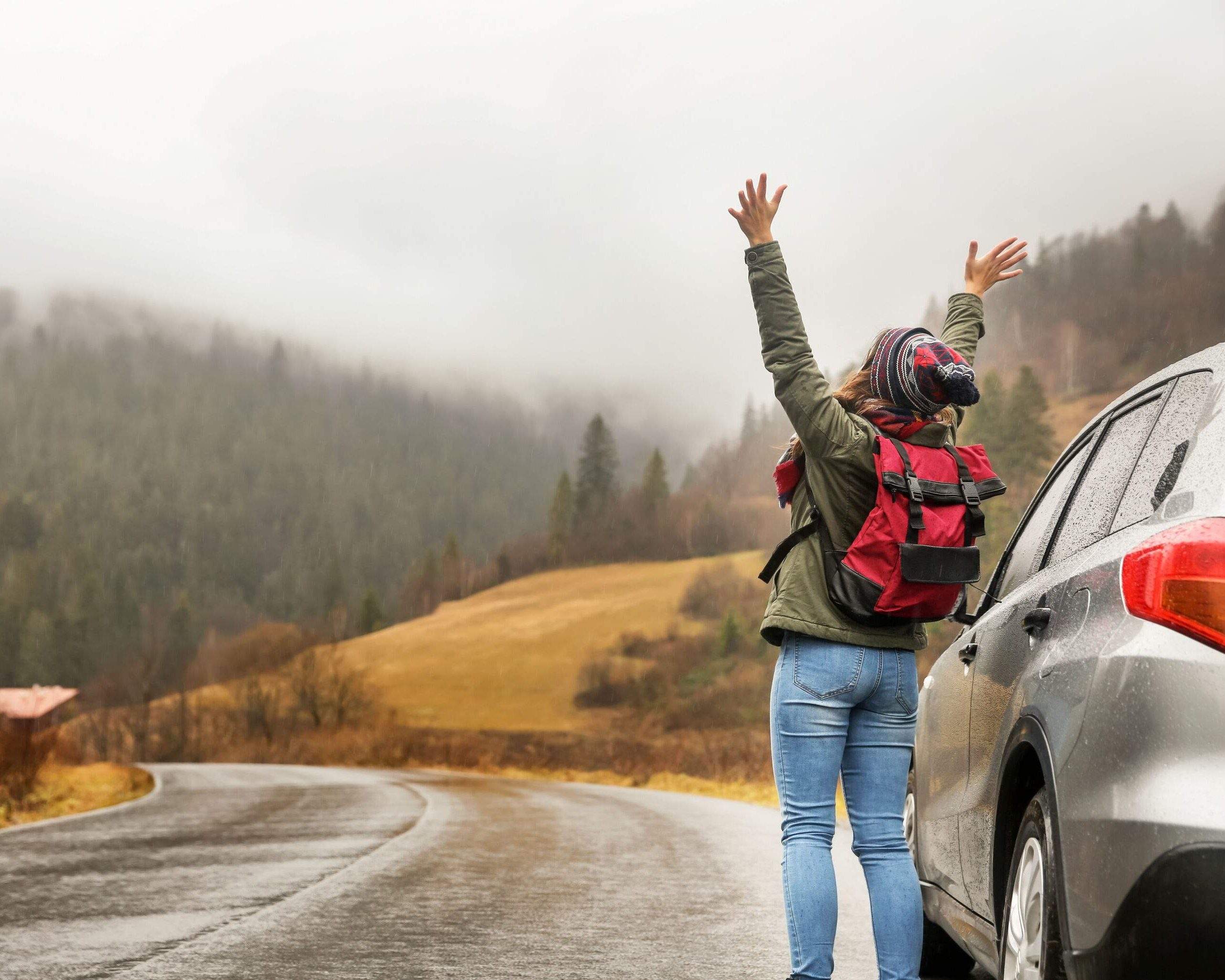
Introduction to Road Trip Essentials
Let me start by saying this: I've done my fair share of road trips. I've driven cross-country from New York to California, explored the backroads of the American Southwest, and even tackled the winding roads of the Scottish Highlands. Over the years, I've learned what works (and what doesn't) when it comes to planning and executing a successful road trip.
I'll never forget my first big road trip. I was 19, heading to a music festival with friends, and I thought I had everything planned. But I didn't check my tires, I didn't bring enough water, and I didn't have a backup plan when we got lost. Let's just say it was a learning experience.
Since then, I've refined my approach, and now road trips are one of my favorite ways to travel. There's something special about the freedom of the open road, the unexpected discoveries along the way, and the shared memories created with travel companions.
This guide is a compilation of the tips I've found most useful, along with personal stories and practical advice. Whether you're planning a weekend getaway or a cross-country adventure, these tips will help you have a safe, comfortable, and memorable road trip.
Pre-Trip Preparation: Lay the Foundation
Proper preparation is the key to a successful road trip. I've learned this the hard way—skipping preparation steps always comes back to bite me.
Vehicle Maintenance: Don't Skip This Step
I can't emphasize this enough. The time I got a flat tire in the middle of nowhere in Utah? That could have been avoided if I'd checked my tire pressure before leaving. The time my car overheated in the Mojave Desert? Yep, I forgot to check the coolant levels.
Now I follow this pre-trip vehicle checklist religiously:
- Check tire pressure and tread depth (don't forget the spare!)
- Change oil and filter if needed
- Check all fluid levels (coolant, brake, power steering, windshield washer)
- Inspect brakes and wiper blades
- Test headlights, taillights, and turn signals
- Have the battery tested if it's more than 3 years old
My Tip: If you're not comfortable doing these checks yourself, take your car to a trusted mechanic at least a week before your trip. This gives you time to address any issues that come up.
Plan Your Route, But Leave Room for Spontaneity
I used to be a control freak when it came to route planning. I'd map out every mile, every stop, and every minute of the journey. But I quickly learned that some of the best road trip experiences happen when you go off-script.
Now I balance planning with flexibility:
- Use Google Maps or Waze to plan the main route
- Identify potential points of interest along the way
- Research gas stations, rest areas, and restaurants at regular intervals
- But leave at least 20% of your itinerary open for unexpected detours
My Tip: Download offline maps before your trip. Cell service can be spotty in rural areas, and you don't want to get lost without navigation.
Pack Essentials: Be Prepared for Anything
After my Utah flat tire experience, I now pack a comprehensive emergency kit for every road trip. I also learned the hard way that it's better to overpack essentials than to underpack.
Here's what I always include:
- First aid kit (with bandages, antiseptic, pain relievers, etc.)
- Jumper cables
- Flashlight with extra batteries
- Spare tire, jack, and lug wrench (and know how to use them!)
- Basic tools (socket set, pliers, screwdrivers)
- Reflective triangles and a safety vest
- Blankets and extra warm clothing
- Water bottles (at least 1 gallon per person)
- Non-perishable snacks
- Cell phone charger (both car and portable)
My Tip: Keep these items in a dedicated bag or bin that's easily accessible, not buried under luggage.
Stock Up on Supplies: Fuel for the Journey
I've made the mistake of not bringing enough snacks and water on road trips. Let me tell you, there's nothing worse than being hangry in the middle of nowhere with no gas stations in sight.
Now I stock up on:
- Healthy snacks (nuts, fruit, granola bars)
- Some indulgent treats (chocolate, chips) for morale
- Plenty of water (I aim for at least 2 liters per person per day)
- A cooler with sandwiches or other perishable items
- Entertainment (playlists, podcasts, audiobooks)
- Games for passengers (cards, travel-sized board games)
My Tip: Pack snacks in individual portions to avoid mess and make sharing easier. And don't forget a trash bag to keep your car clean!
On the Road: Making the Journey Enjoyable
Once you're on the road, there are a few key things you can do to ensure a smooth journey. These tips come from years of experience dealing with everything from traffic jams to fatigue.
Take Regular Breaks: Avoid Fatigue and Stay Alert
I used to think I could drive for 6+ hours straight without a break. That was a mistake. I'd end up exhausted, irritable, and not enjoying the trip at all.
Now I follow the 2-hour rule: I stop every 2 hours or 100 miles to stretch my legs, use the restroom, and refresh myself. These breaks make a huge difference in my energy levels and overall enjoyment.
My Tip: Use apps like Roadtrippers or Google Maps to find interesting places to stop along your route. Instead of just pulling over at a rest area, look for local landmarks, scenic viewpoints, or unique diners.
Stay Hydrated and Eat Well: Fuel Your Body
It's easy to get dehydrated on long drives, especially in hot weather. And when you're dehydrated, you get fatigued faster.
I always keep a water bottle within reach and make sure to drink regularly, even if I don't feel thirsty. I also try to avoid too much caffeine and sugary drinks, as they can lead to energy crashes.
For meals, I try to balance convenience with nutrition. Instead of grabbing fast food every time, I'll pack sandwiches or salads for lunch, and look for local restaurants for dinner. Not only is this healthier, but it's also a great way to experience the local culture.
My Tip: Prep some meals and snacks before your trip. This saves time and money, and ensures you have healthy options available.
Be Flexible: Embrace the Unexpected
One of my favorite road trip memories happened when we got lost. We were driving through the Scottish Highlands, and our GPS stopped working. We ended up on a narrow, winding road that led to a secluded beach with crystal-clear water. It wasn't on our itinerary, but it became one of the highlights of the trip.
Now I embrace detours and unexpected delays. If we see a sign for a historic site or a scenic overlook, we'll often pull over and check it out. If we hit traffic, we'll use the time to catch up with each other or listen to a good podcast.
My Tip: Build some buffer time into your itinerary. If you think it will take 6 hours to reach your destination, plan for 7 or 8. This way, you won't feel rushed if you want to make an unexpected stop.
Stay Safe: Priority Number One
Road safety should always be your top priority. I've had my share of close calls, and they all happened when I was distracted or not paying full attention to the road.
Here's what I do to stay safe:
- Never drive distracted (no texting, eating, or overly complicated conversations)
- Follow speed limits and adjust for weather conditions
- Wear seatbelts at all times (everyone in the car!)
- Use headlights during dawn, dusk, and inclement weather
- Keep a safe following distance from other vehicles
- Know your limits—if you're tired, pull over and rest
My Tip: If you're traveling with others, take turns driving. This gives everyone a chance to rest and enjoy the scenery.
Entertainment: Keep the Mood Up
Long stretches of highway can get boring, especially if you're driving through less scenic areas. Having a variety of entertainment options can make the time pass more quickly and keep everyone in a good mood.
Here's what I bring for entertainment:
- Curated playlists for different moods (upbeat for morning drives, mellow for evening)
- Audiobooks or podcasts (great for learning something new)
- Travel games for passengers (I love "20 Questions" and "I Spy")
- A camera to capture the scenery and unexpected discoveries
My Tip: Create a shared playlist with your travel companions before the trip. This way, everyone gets to listen to music they enjoy.
Dealing with Challenges: Expect the Unexpected
No matter how well you plan, challenges will arise. I've dealt with everything from flat tires to lost reservations to sudden weather changes. The key is to stay calm and have a plan.
Weather Challenges: Be Prepared
I'll never forget the time we got caught in a snowstorm in the Rocky Mountains. We weren't prepared for winter driving, and it was a stressful experience.
Now I always check the weather forecast before my trip and pack accordingly. If there's a chance of inclement weather, I'll:
- Pack extra warm clothing and blankets
- Bring snow chains if traveling in winter
- Have a plan B route if severe weather is predicted
- Stay informed about road conditions through apps or local radio
My Tip: If you're driving in unfamiliar weather conditions, slow down and give yourself extra time. It's better to arrive late than not at all.
Mechanical Issues: Stay Calm
Mechanical issues are inevitable, especially if you're driving an older car or covering long distances.
When something goes wrong:
- Pull over to a safe location (preferably a rest area or well-lit parking lot)
- Turn on your hazard lights
- Use your emergency kit if needed
- Call for roadside assistance (make sure you have coverage!)
- Stay with your car if it's safe to do so
My Tip: Join an auto club like AAA before your trip. Their roadside assistance can be a lifesaver in case of mechanical issues.
Conclusion: Enjoy the Journey
Road trips are about more than just getting from point A to point B—they're about the journey itself. The unexpected detours, the scenic viewpoints, the local diners, and the shared memories all add up to an experience that's greater than the sum of its parts.
I've learned this through my own mistakes and experiences. From my first ill-prepared road trip to my most recent cross-country adventure, each journey has taught me something new.
By following these tips, you can ensure your road trip is safe, comfortable, and filled with memorable experiences. Remember that the best road trips aren't the ones that go perfectly according to plan—they're the ones where you embrace the unexpected and make the most of every moment.
So pack your bags, check your tires, and hit the open road. Adventure awaits!
About the Author
Mike Johnson is a seasoned road tripper who has explored over 40 states and 10 countries by car. He shares practical travel advice based on real-world experience, with a focus on safety, sustainability, and creating memorable experiences.
Disclaimer
This article is based on personal travel experience and is for informational purposes only. Road conditions, weather, and vehicle maintenance requirements vary by location and vehicle type. Always check with your mechanic and local authorities for the most accurate information before your trip.