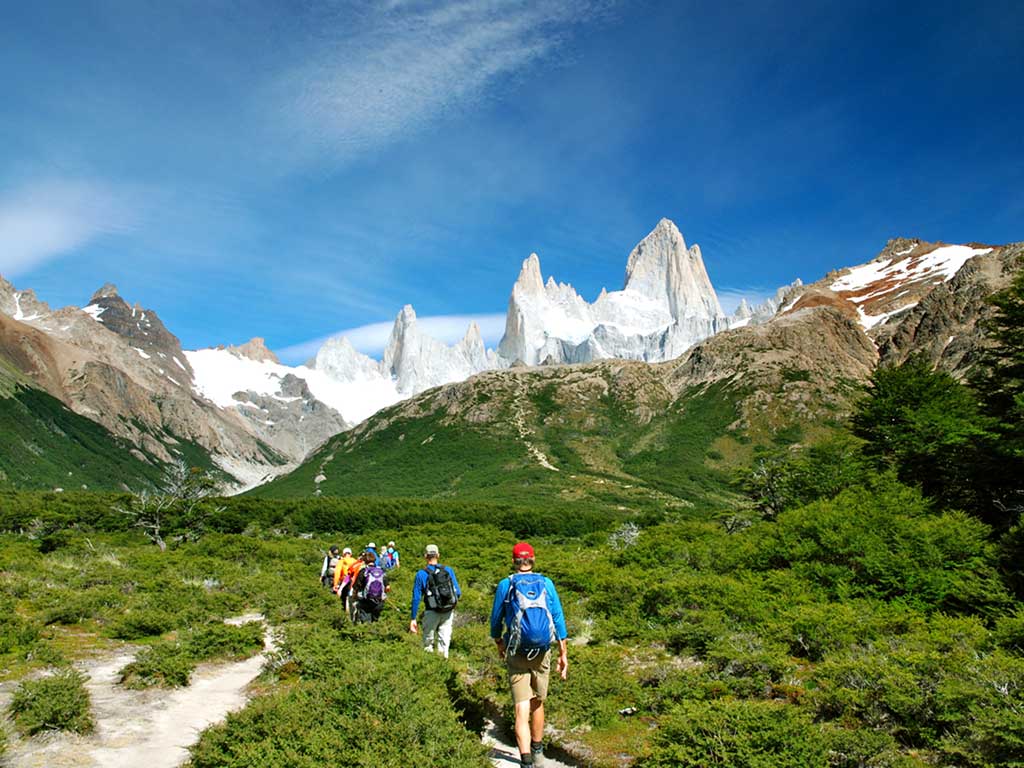
⭐ How I'd Plan My Patagonia Trek (If I Started Today)
After spending over 60 days trekking across Patagonia in three different seasons, here's what I'd do differently if I planned my trip today:
- Choose the right season: I'd go in late November or early December to avoid the crowds while still enjoying stable weather.
- Focus on quality over quantity: Instead of trying to do both Torres del Paine and Fitz Roy, I'd spend 10-12 days on just one region for a more immersive experience.
- Mix refugios and camping: I'd book refugios for the most popular sections (like Torres del Paine's Base Camp) and camp in less crowded areas to save money.
- Invest in proper gear: I'd splurge on a high-quality waterproof jacket and pants - the Patagonian wind can cut through cheap gear like a knife.
- Build in rest days: I'd schedule at least two rest days to recover from the physical demands and wait out any bad weather.
- Hire a local guide for key sections: For the most challenging parts, like the glacier treks, a local guide's knowledge is invaluable.
Introduction to Patagonia
Patagonia wasn't just another destination for me - it was a bucket list dream I'd nurtured for years after seeing a photo of the Torres del Paine rising dramatically from the Andean foothills. When I finally stepped foot in this wild southern region shared by Argentina and Chile, I realized the reality far exceeded my imagination. The landscapes here aren't just beautiful; they're transformative - vast, untamed, and humbling in their scale. Over three separate trips totaling more than two months on the trail, I've experienced everything from clear blue skies that make the glaciers glow to howling winds that tested my limits and forced me to seek shelter.
What makes Patagonia truly special is its raw, unfiltered nature. It's a place where you can hike for hours without seeing another soul, where mountains seem to touch the clouds, and where glaciers calve with a roar that echoes for miles. But it's also a challenging environment that demands respect and preparation. This guide is based on my personal experiences, mistakes, and lessons learned - I hope it helps you plan an unforgettable adventure in this remarkable corner of the world.
Best Time to Visit
When I first planned my trip to Patagonia, I assumed the peak summer months (January-February) would be the best time to go. After all, that's when the weather should be warmest, right? I quickly learned that in Patagonia, "warm" is a relative term, and peak season brings its own challenges.
My recommended seasons:
- Late November to early December: This was my favorite time to visit. The weather is starting to stabilize, the crowds are smaller, and the landscapes are lush with spring growth. I encountered fewer people on the trails and had an easier time booking refugios.
- Mid-January to mid-February: The peak season offers the most stable weather and longest daylight hours, but it's also the busiest. Trails can feel crowded, and refugios often book out months in advance. If you go during this time, book everything well ahead.
- Late February to early March: Crowds start to thin out, and the weather is still generally good. The landscapes take on a golden hue as summer transitions to fall, and prices for accommodation begin to drop.
One thing I quickly learned: regardless of when you go, Patagonian weather is unpredictable. I've experienced all four seasons in a single day on multiple occasions. Be prepared for anything, and always have a flexible itinerary.
⭐ Who Patagonia Trekking Is NOT For
While Patagonia offers incredible trekking experiences, it's not for everyone. This adventure might not be right for you if:
- You need consistent comfort: Even the best refugios offer basic accommodations, and weather can be harsh.
- You're a beginner hiker: The terrain is challenging, with steep ascents and unpredictable conditions.
- You have limited time: Rushing through Patagonia will leave you exhausted and missing the best parts.
- You're sensitive to altitude: Many trails reach elevations above 2,000 meters.
- You can't handle uncertainty: Weather delays and itinerary changes are common here.
That said, even if some of these apply to you, there are ways to adapt. Shorter treks, guided tours, and more comfortable accommodation options can make Patagonia accessible to more travelers.
Choosing Your Route: Finding the Right Fit
On my first trip, I tried to cram too much into three weeks - Torres del Paine, Fitz Roy, and even a quick visit to the Perito Moreno Glacier. I ended up exhausted and feeling like I'd barely scratched the surface of any of these incredible places. Now, I recommend focusing on one region at a time for a more meaningful experience.
Here are the four main trekking regions in Patagonia, each with its own character and challenges:
- Torres del Paine (Chile): The most famous trekking destination in Patagonia, offering the iconic W Trek (5-7 days) and longer O Trek (8-10 days).
Best for: First-time Patagonia visitors seeking iconic landscapes
Consider: More developed infrastructure, higher costs, crowds during peak season - El Chaltén (Argentina): Home to the legendary Mount Fitz Roy and Cerro Torre, with trails ranging from day hikes to multi-day treks.
Best for: Photographers and those seeking a more remote experience
Consider: More rugged, fewer facilities, incredible mountain views - Los Glaciares National Park (Argentina): Features the Perito Moreno Glacier and several other impressive ice formations.
Best for: Glacier enthusiasts and those seeking a mix of hiking and boat tours
Consider: More accessible, easier day hikes, unique glacier experiences - Patagonia Austral (Chile): The remote southern region, including Tierra del Fuego and Cape Horn.
Best for: Experienced trekkers seeking true wilderness
Consider: Very remote, limited facilities, challenging weather
My personal favorite? El Chaltén. There's something magical about the jagged peaks of Fitz Roy and the feeling of being more off the beaten path. But if it's your first time, Torres del Paine offers a more structured experience with better infrastructure.
Essential Gear: Lessons From My Mistakes
I made several gear mistakes on my first Patagonia trip that I still cringe about. The biggest one? Skimping on waterproof gear. I brought a budget rain jacket that lasted exactly two days before the Patagonian wind tore a hole in it. By the end of the trip, I was wearing a garbage bag as a makeshift rain poncho.
Here's the gear I now consider essential after three trips:
- High-quality waterproof jacket and pants: Invest in Gore-Tex or similar waterproof/breathable fabric - it's worth every penny.
- Warm layers: A fleece mid-layer and a lightweight down jacket for cold mornings and evenings.
- Sturdy hiking boots: Waterproof, with good ankle support and aggressive tread for rocky terrain.
- Backpack with rain cover: 30-40L for multi-day treks, with a built-in or separate rain cover.
- Sleeping bag rated for 0°C (32°F): Even in summer, nights can be cold at higher elevations.
- Trekking poles: Essential for stability on steep descents and river crossings.
- Sunscreen and sunglasses: The sun is intense at Patagonia's southern latitude, even on cloudy days.
- Water purification system: Most streams are safe to drink from, but purification gives peace of mind.
- Headlamp: Essential for early morning starts and navigating in the dark if weather delays you.
- Quick-dry towel: Lightweight and compact, perfect for refugio showers.
Accommodation Options: Finding Your Comfort Level
Patagonia offers a range of accommodation options to suit different budgets and preferences. During my trips, I've tried everything from luxury lodges to wild camping, and each has its pros and cons:
- Refugios: Mountain huts that offer basic dormitory-style accommodation and meals. Most have shared bathrooms and no private rooms.
Pros: No need to carry camping gear, hot meals available, social atmosphere
Cons: Can be crowded, basic facilities, need to book in advance for popular trails - Camping: Designated campsites throughout the national parks, with varying levels of facilities.
Pros: More affordable, greater privacy, closer to nature
Cons: Need to carry all gear, weather-dependent, less social - Lodges: More comfortable accommodation located outside the national parks.
Pros: Private rooms, hot showers, restaurant-quality meals
Cons: More expensive, requires transportation to trailheads, less immersive - Glamping: A middle ground between camping and lodges, with permanent tents or cabins.
Pros: More comfortable than camping, closer to nature than lodges
Cons: Limited availability, higher cost than camping
My strategy: For the most popular sections (like the Torres del Paine Base Camp), I book refugios well in advance. For less crowded areas, I camp to save money and enjoy more privacy.
Safety Considerations: Lessons From Experience
Safety should always be your top priority when trekking in Patagonia. I've had my share of close calls, and these lessons have stuck with me:
- Check weather forecasts daily: Conditions can change rapidly. I once had to turn back from a summit attempt due to an incoming storm that materialized within hours.
- Stay on marked trails: The terrain can be deceptively dangerous, with hidden crevasses and unstable rock.
- Carry a map and compass: Don't rely solely on GPS or phone apps - signal can be non-existent in remote areas.
- Inform someone of your itinerary: Let your accommodation know where you're going and when you expect to return.
- Be prepared for emergencies: Carry a basic first aid kit, emergency whistle, and extra food and water.
- Know your limits: Don't push yourself too hard. Altitude sickness can strike anyone, regardless of fitness level.
- Respect wildlife: Patagonia is home to guanacos, foxes, and even pumas. Keep a safe distance and never feed wild animals.
Planning Your Trip: Step-by-Step Guide
Planning a Patagonia trek can feel overwhelming, but breaking it down into steps makes it manageable. Here's how I plan my trips:
1. Choose Your Region and Route
Decide which part of Patagonia you want to explore and how much time you have. For first-time visitors, I recommend either Torres del Paine (Chile) or El Chaltén (Argentina) as your primary destination.
2. Pick Your Season
As discussed earlier, late November to early March is the best time for trekking. Consider your tolerance for crowds versus your desire for stable weather.
3. Book Accommodation
For popular trails like the W Trek, book refugios 6-9 months in advance. For camping, you'll need to reserve campsites in some parks, while others operate on a first-come, first-served basis.
4. Arrange Transportation
Patagonia's main entry points are Santiago (Chile) and Buenos Aires (Argentina). From there, you'll need to fly to regional airports like Punta Arenas or El Calafate, then take buses to the trailheads.
5. Get the Necessary Permits
Most national parks in Patagonia require entrance fees, and some trails require specific permits. Research the requirements for your chosen route well in advance.
6. Prepare Physically
Patagonia's trails are physically demanding. Start training at least 3-4 months before your trip with regular hiking, cardio, and strength training.
7. Pack Smart
Focus on lightweight, multi-purpose gear that can handle a variety of conditions. Remember that every ounce counts when you're carrying your pack for hours each day.
Conclusion
Trekking in Patagonia isn't just an adventure - it's a transformative experience that will stay with you for the rest of your life. The landscapes are unlike anywhere else on Earth, the challenges will test your limits, and the rewards will exceed your wildest expectations.
From standing in awe of the Torres del Paine at sunrise to watching glaciers calve into turquoise lakes, every moment in Patagonia feels like a gift. But it's not just the scenery that makes this place special - it's the sense of accomplishment you'll feel after navigating its challenges, the connections you'll make with fellow travelers, and the way the wilderness humbles and inspires you.
Whether you're a seasoned trekker or an adventurous spirit looking for your next big challenge, Patagonia has something to offer. With proper planning, the right gear, and a flexible mindset, you'll create memories that will last a lifetime.
About the Author
Mark Thompson is an experienced trekker and outdoor guide with over 15 years of experience leading expeditions in South America. He has completed multiple treks in Patagonia across different seasons, including the full O Trek in Torres del Paine and the Fitz Roy Base Camp trek in El Chaltén. This article is based on personal experience and extensive research.
More of Mark's adventure guides and travel stories can be found on this website.