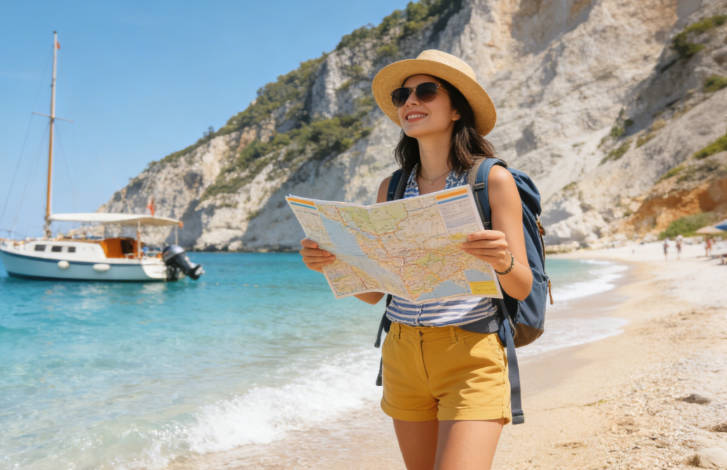
Why Trip Planning Matters: My Personal Approach
Over the past decade, I've planned dozens of trips—from weekend city breaks to month-long international adventures. Some were smooth sailing, while others had their share of mishaps. Through it all, I've developed a system that helps me create memorable trips without the stress.
I'll never forget my first big trip to Europe. I tried to plan everything last minute, booked the wrong flight dates, and ended up spending twice what I budgeted. It was a valuable lesson in the importance of thoughtful planning.
This guide combines the steps I now follow for every trip, along with personal anecdotes and practical advice that has helped me become a more confident and efficient trip planner.
Step 1: Choose Your Destination (Without Overwhelm)
Choosing a destination can be both exciting and overwhelming. I've learned to start by asking myself three simple questions:
- What do I want to experience? (Beaches? History? Food? Adventure?)
- What's my budget range?
- How much time do I have?
A few years ago, I was torn between visiting Japan and Portugal. Both intrigued me, but I only had two weeks. I researched both destinations, looked at flight prices, and considered what each offered. In the end, I chose Portugal because the flights were more affordable, and I could see more of the country in my limited time. It turned out to be one of my favorite trips ever.
Once you have a shortlist, dig deeper: check seasonal weather, local customs, and any travel advisories. I like to create a simple pros and cons list for each potential destination to make the decision easier.
Step 2: Set a Realistic Budget (That Includes Hidden Costs)
Budgeting is where many trips go off track. I used to only consider the big costs—flights and hotels—but I quickly learned that the little expenses add up.
For my trip to Thailand, I budgeted $50 a day for food and activities, but I didn't account for things like tuk-tuk rides, entrance fees to temples, or unexpected souvenirs. By the end of the trip, I'd overspent by nearly 30%.
Now, I use this budget breakdown for most trips:
- Transportation (flights, trains, local transport): 30-40%
- Accommodation: 25-30%
- Food and drink: 15-20%
- Activities and sightseeing: 10-15%
- Souvenirs and miscellaneous: 5-10%
- Emergency fund: 5-10% (always leave a buffer!)
I also use budgeting apps to track my expenses while traveling, which helps me stay on track and adjust if needed. For more app recommendations that can simplify your trip planning, check out our guide to essential travel apps.
Step 3: Pick Travel Dates (The Secret to Better Experiences)
Choosing the right travel dates can make a huge difference in your experience. I've learned this by visiting popular destinations both in peak season and off-season.
A few years ago, I visited Venice in August—peak tourist season. The canals were crowded, prices were sky-high, and the heat was oppressive. I vowed never to make that mistake again. The following spring, I visited Prague in April, just before the summer crowds arrived. The weather was pleasant, prices were reasonable, and I had a much more enjoyable experience.
When selecting dates, consider:
- Weather patterns (avoid monsoon seasons or extreme heat/cold)
- Peak vs. shoulder vs. off-season (shoulder season often offers the best balance)
- Local festivals or events that interest you
- Your own schedule and work commitments
I also like to check flight prices across different date ranges to find the best deals—sometimes shifting your trip by just a few days can save hundreds of dollars.
Step 4: Book Transportation (With Flexibility in Mind)
Transportation is often the biggest expense of any trip, so it pays to plan carefully. I've learned a few tricks over the years:
For my trip to South America, I used a flight aggregator to find a great deal, but I didn't read the fine print. The ticket was non-refundable and non-changeable. When my plans shifted, I lost the entire cost of the ticket. Now, I always factor in flexibility when booking flights.
Here's my transportation booking process:
- Set up price alerts on multiple platforms
- Compare prices across different airports (sometimes flying into a nearby city saves money)
- Read the cancellation and change policies carefully
- Consider layovers—sometimes longer layovers mean cheaper flights, and you might even get to explore a new city briefly
- Book at the right time—for international flights, I've found the sweet spot is usually 2-3 months before departure
For local transportation, I research options in advance. In cities with reliable public transit, I often buy a transit pass. In more rural areas, I might arrange for a rental car or pre-book private transfers.
Step 5: Find Accommodation (Beyond Just Hotels)
Accommodation can make or break a trip. I've stayed in everything from luxury hotels to budget hostels to family-run guesthouses, and each has its place depending on the trip.
On a recent trip to Bali, I decided to try a homestay instead of a resort. It was much more affordable, and I got to experience daily life with a local family. They taught me to cook traditional Balinese dishes, took me to a local market, and gave me insights into the culture that I would have missed at a resort.
When choosing accommodation, I consider:
- Location (proximity to attractions, restaurants, and public transport)
- Amenities (WiFi, air conditioning, kitchen facilities)
- Reviews (I look for consistent themes in reviews, not just the overall rating)
- Value for money (not just the cheapest option)
- Type of experience I want (social? Private? Cultural immersion?)
I usually book accommodation through a reputable platform, but I always check if booking directly with the property offers a better rate or additional perks.
Step 6: Plan Activities (But Leave Room for Spontaneity)
Planning activities in advance can save time and money, but I've learned not to overschedule.
On my first trip to Paris, I tried to fit in every major attraction in just three days. I was exhausted, and I didn't have time to simply wander the streets or sit in a café and people-watch. Now, I limit myself to 1-2 major activities per day, leaving plenty of free time.
My activity planning process:
- Research top attractions and hidden gems
- Prioritize what's most important to me
- Book any must-do activities that require reservations well in advance
- Group activities by location to minimize travel time
- Leave at least 30% of my itinerary free for spontaneous discoveries
I also like to ask locals for recommendations once I arrive—some of my best experiences have come from suggestions from taxi drivers, hotel staff, or other travelers.
Step 7: Prepare Travel Documents (The Non-Negotiables)
Travel documents are not the most exciting part of trip planning, but they're critical. I've had to learn this the hard way.
A few years ago, I traveled to Brazil without checking the visa requirements thoroughly. I assumed I could get a visa on arrival, but I was turned away at the airport and had to book an expensive last-minute flight back home. It was a costly and embarrassing mistake.
Now, I use a simple checklist for all my travel documents:
- Passport (valid for at least 6 months beyond travel dates)
- Visa (check requirements well in advance—some visas take weeks to process)
- Travel insurance (I never leave home without it!)
- Flight and accommodation confirmations
- Credit cards and cash (notify your bank of travel plans)
- Health documents (vaccination records, prescriptions)—our guide to essential travel health tips can help you prepare for any health considerations
- Emergency contacts (local embassy, family back home)
I also scan all important documents and store them in a secure cloud service, so I have access to them even if my physical copies are lost or stolen.
Step 8: Pack Smart (Without Overpacking)
Packing is where many travelers struggle. I used to be a chronic overpacker, lugging around huge suitcases that were difficult to maneuver.
For my trip to Southeast Asia, I brought a massive suitcase filled with clothes for every possible occasion. I quickly realized I only wore about half of what I packed, and the heavy suitcase was a burden on public transport and when walking through narrow streets.
Now, I follow these packing principles:
- Pack versatile clothing that can be mixed and matched
- Choose lightweight, wrinkle-resistant fabrics
- Limit shoes to 2-3 pairs maximum
- Use packing cubes to stay organized
- Roll clothes instead of folding them (saves space!)
- Pack a small laundry bag and consider doing laundry during longer trips
- Bring a daypack for daily excursions
I also create a packing list a few days before my trip and review it carefully, removing anything I don't truly need.
Bonus Step: Prepare Mentally (The Most Overlooked Aspect)
One step I've added to my process in recent years is mental preparation. Travel can be stressful, and having the right mindset makes a huge difference.
Before my trip to Morocco, I read books about the culture, watched travel documentaries, and talked to friends who had visited. I arrived with realistic expectations and an open mind, which helped me navigate the inevitable challenges with more grace.
Here's what I do to prepare mentally:
- Learn a few basic phrases in the local language—our guide to essential travel phrases can help you get started
- Research cultural norms and etiquette
- Set realistic expectations (not every moment will be perfect)
- Remind myself to be flexible and embrace the unexpected
- Plan for some downtime—travel can be exhausting!
Conclusion: Planning for Perfect Moments
Perfect trips don't just happen—they're the result of thoughtful planning combined with flexibility to embrace the unexpected.
Over the years, I've learned that the best trips aren't the ones where everything goes according to plan, but the ones where you're prepared enough to handle whatever comes your way.
By following these steps, you'll not only create a trip that meets your needs but also one that leaves room for the magic that makes travel so special.
Remember: trip planning is a skill that improves with practice. Don't be too hard on yourself if your first few attempts aren't perfect. Each trip is a learning experience that will make you a better planner for the next one.
Happy planning!
About the Author
Mark Johnson is a travel enthusiast who has visited over 30 countries across 6 continents. He believes that thoughtful planning is the foundation of great travel experiences, but also values the spontaneity and unexpected moments that make journeys memorable. When he's not planning his next adventure, Mark enjoys hiking, photography, and sharing travel tips with others.