Essential Gear for Mountain Hiking: A Comprehensive Guide
February 3, 2026 • By Sarah Thompson
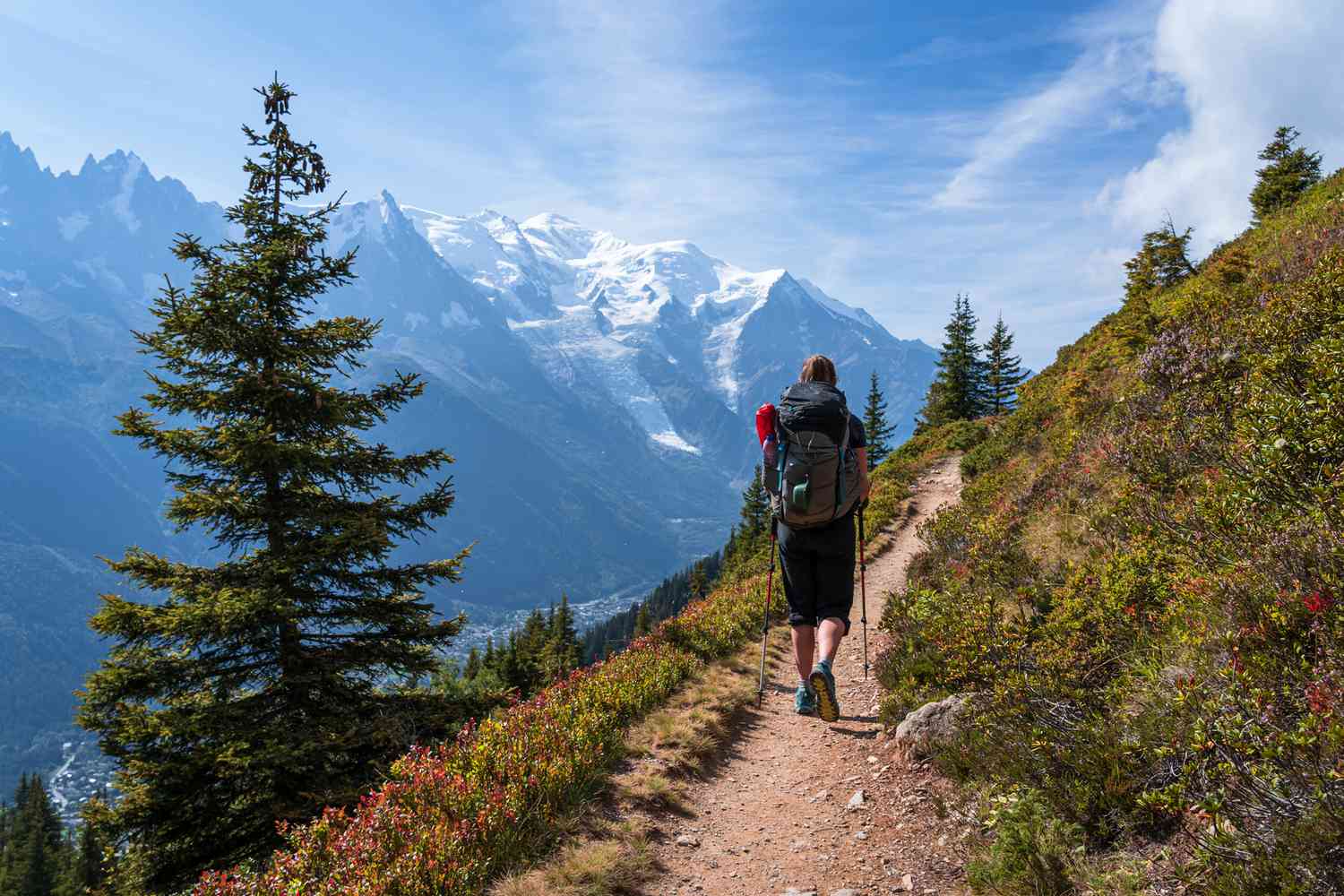
How I Learned the Hard Way About Hiking Gear
I still remember my first mountain hike. I was 18, eager to conquer the local peaks, and armed with nothing more than a pair of sneakers, a water bottle, and a granola bar.
That day taught me a painful lesson. By mid-afternoon, my feet were blistered, my water was gone, and I was shivering in the sudden mountain chill. I barely made it back to the trailhead before dark.
Over the years, I've hiked in the Rockies, the Alps, and the Himalayas. I've learned what gear works, what doesn't, and what you can actually live without. This guide is the result of those experiences—both the triumphs and the mistakes.
Who This Guide Is For
- Beginners who are just starting to explore mountain hiking
- Experienced hikers looking to upgrade their gear
- Day hikers who want to be prepared for changing conditions
- Backpackers planning multi-day mountain trips
- Anyone who wants to stay safe and comfortable in mountain environments
Who Might Want to Look Elsewhere
- Ultra-light backpackers who prioritize weight over comfort
- Mountaineers planning technical climbs (this guide focuses on non-technical hiking)
- Desert hikers (the gear needs are significantly different)
- Budget travelers looking for extreme cost-cutting measures
The Gear That Saved My Hikes
Footwear: The Most Important Decision You'll Make
I used to think any old sneakers would work for hiking. That changed after a 10-mile hike in the Rockies where I ended up with blisters so bad I could barely walk for a week.
I spent weeks researching hiking boots vs. trail runners. I tried on dozens of pairs, read countless reviews, and almost bought a cheap pair because they looked cool. In hindsight, investing in a quality pair of mid-cut hiking boots was the best decision I ever made for my hiking career.
What to look for: Supportive ankle collar, waterproofing (for mountain conditions), durable outsole, and a comfortable fit right out of the box (though some break-in is normal).
My recommendation: For most mountain hiking, go with mid-cut waterproof boots. They offer the right balance of support, protection, and comfort.
Realistic note: Good hiking boots aren't cheap, but they're worth every penny when you're 8 miles from the trailhead and your feet still feel good.
Backpack: Finding the Right Balance
I once tried to use a school backpack for a multi-day hike. By day two, the straps were digging into my shoulders, and I had no way to properly distribute the weight.
I almost bought a 70L backpack because I thought I needed all that space, but a friend convinced me to go with a 35L pack instead. She was right—most of the time, I was carrying air in that extra space.
What to look for: Adjustable torso length, padded shoulder straps, hip belt, multiple compartments, and hydration bladder compatibility.
My recommendation: For day hikes, 20-30L is plenty. For multi-day trips, 35-50L should be enough for most people.
Realistic note: The best backpack is the one that fits your body properly. Don't compromise on fit for features.
Clothing: Layering is Everything
I learned the hard way about mountain weather. One minute it's sunny and warm, the next minute a storm rolls in and the temperature drops 20 degrees.
I used to pack heavy cotton clothes, but they'd get wet with sweat and then leave me freezing. It took me years to perfect my layering system.
What to look for: Moisture-wicking base layers, insulating mid-layers, waterproof outer layers, and quick-drying materials.
My recommendation: The 3-layer system: base layer (merino wool or synthetic), mid-layer (fleece or puffy jacket), and outer layer (waterproof/breathable shell).
Realistic note: Even on warm days, always carry a waterproof shell and an extra layer in the mountains. Weather changes fast.
Navigation: Don't Rely on Your Phone
I once got lost on a trail when my phone died. I wandered for hours before I found my way back. That day I swore I'd never hike without a map and compass again.
I almost skipped learning how to use a compass because I thought it was old-fashioned. Now it's one of the most important tools in my pack.
What to look for: Topographic map of the area, reliable compass, and optionally a GPS device as backup.
My recommendation: Learn how to use a map and compass first. Then add a GPS device if you want extra security.
Realistic note: Batteries die, screens break, and cell service is often nonexistent in the mountains. Always have a non-electronic backup.
First Aid: Hope for the Best, Prepare for the Worst
I've had to use my first aid kit more times than I care to admit—from blisters to sprained ankles to minor cuts and scrapes.
I used to carry a huge first aid kit, but I've learned to streamline it to the essentials. You don't need to be a paramedic, but you should know how to handle basic injuries.
What to include: Adhesive bandages, blister treatment, gauze pads, medical tape, antiseptic wipes, pain relievers, and any personal medications.
My recommendation: Start with a pre-assembled first aid kit and then customize it for your specific needs.
Realistic note: A first aid kit is only useful if you know how to use it. Take a basic wilderness first aid course if you plan on doing a lot of hiking.
Gear I Thought I Needed (But Didn't)
Over the years, I've bought a lot of gear that ended up collecting dust. Here are a few items I thought I needed but rarely use:
GPS Watch
I thought a GPS watch would revolutionize my hiking. While it's nice to have, I rarely use it anymore. A simple analog watch and a compass work just fine for most hikes.
Heavy Duty Tent
I bought a 4-season tent thinking I needed the extra protection, but it was overkill for most of my trips. A lightweight 3-season tent is more than enough for most mountain hiking conditions.
Camp Stove
For day hikes, I rarely need a camp stove. A good selection of energy bars, trail mix, and other no-cook snacks works just fine.
Multi-tool with 20+ Functions
I've had a multi-tool for years, but I only use about 3 of the functions regularly. A simple knife, bottle opener, and screwdriver are all you really need for most hiking situations.
When Gear Failed Me
Even the best gear can fail. Here's a story about when my gear let me down and what I learned from it:
A few years ago, I was hiking in the Swiss Alps. I'd invested in a pair of high-end waterproof boots, or so I thought. Halfway through a 12-mile hike, it started raining—hard.
Within an hour, my feet were soaked. The "waterproof" membrane had failed. I spent the next 6 hours hiking with wet feet, and by the time I got back to the village, I had the worst blisters of my life.
I almost gave up on waterproof boots entirely, but I learned that not all waterproofing is created equal. Now I look for boots with proven waterproof membranes like Gore-Tex, and I make sure to reapply waterproofing treatment regularly.
This taught me that even expensive gear isn't infallible, and it's important to understand how your gear works and how to maintain it.
Gear Recommendations by Hike Type
Day Hikes (3-8 miles)
- Backpack: 20-30L
- Footwear: Trail runners or low-cut hiking shoes (if terrain is gentle)
- Clothing: Base layer, lightweight mid-layer, waterproof shell (always carry)
- Essentials: Water (2-3 liters), snacks, map/compass, first aid kit, headlamp
Overnight Hikes
- Backpack: 35-50L
- Footwear: Mid-cut waterproof hiking boots
- Clothing: Base layer, insulating mid-layer, waterproof shell, warm hat, gloves
- Essentials: Tent, sleeping bag, sleeping pad, camp stove, water filter, extra food, toiletries
Multi-Day Hikes (3+ days)
- Backpack: 45-60L
- Footwear: High-cut waterproof hiking boots
- Clothing: Multiple base layers, multiple mid-layers, waterproof shell, waterproof pants, warm hat, gloves, extra socks
- Essentials: All overnight gear plus more food, water treatment system, repair kit, extra batteries
How to Choose Gear That's Right for You
With so many gear options on the market, how do you choose what's right for you?
Consider Your Experience Level
Beginners don't need the most expensive, technical gear. Start with the basics and upgrade as your skills and ambitions grow.
Think About Your Typical Hiking Conditions
If you mostly hike in dry, warm climates, you'll need different gear than someone who hikes in wet, cold mountains.
Set a Realistic Budget
Good gear isn't cheap, but you don't have to buy everything at once. Start with the essentials (boots, backpack, rain gear) and add other items as you can afford them.
Try Before You Buy
Whenever possible, try gear on in person. What works for someone else might not work for you.
Read Reviews, But Take Them With a Grain of Salt
Reviews can be helpful, but remember that everyone's hiking style and preferences are different. What's a dealbreaker for one person might be fine for you.
Frequently Asked Questions
Do I need waterproof boots for mountain hiking?
Yes, for most mountain hiking conditions. Mountain weather can change quickly, and you'll often encounter dew, stream crossings, and wet trail conditions.
How much water should I carry?
As a general rule, carry 1 liter of water per 2 hours of hiking. In hot weather or at high altitude, you'll need more. Always carry more than you think you'll need.
What's the most important piece of hiking gear?
Your footwear. Everything else can be compromised to some extent, but if your feet hurt, your hike is ruined.
Do I need a permit for mountain hiking?
It depends on the area. Some national parks and protected areas require permits for backcountry hiking, especially for overnight trips. Always check the regulations before you go.
How do I break in new hiking boots?
Wear them around the house for a few hours at a time, then take them on short day hikes before using them for longer trips. This helps prevent blisters and ensures a good fit.
Conclusion: Gear is Just a Tool
At the end of the day, gear is just a tool. It can make your hike more comfortable and safe, but it doesn't replace experience, knowledge, and good judgment.
I've seen hikers with top-of-the-line gear make poor decisions, and I've seen hikers with minimal gear have amazing experiences.
The most important thing is to get out there and hike. Start with the basics, learn as you go, and let your experiences guide your gear choices.
Remember, the best gear is the gear you actually use and enjoy. Don't get caught up in the latest trends or the most expensive brands. Find what works for you, your hiking style, and your budget.
Happy trails!
About the Author
Sarah Thompson is a hiking enthusiast with over 15 years of experience exploring mountains around the world.
She's hiked in the Rockies, the Alps, the Himalayas, and countless local trails. She's learned what gear works, what doesn't, and what you can actually live without.
Sarah doesn't claim to be a gear expert—she's just someone who loves hiking and has made her share of mistakes along the way. She's had blisters, been lost, and forgotten essential items more times than she cares to admit.
When she's not hiking, Sarah works as a outdoor educator, teaching people of all ages about hiking safety, Leave No Trace principles, and basic wilderness skills.
This guide is based on her personal experiences and the lessons she's learned from years of hiking. It's not meant to be definitive—every hiker is different, and what works for her might not work for you.