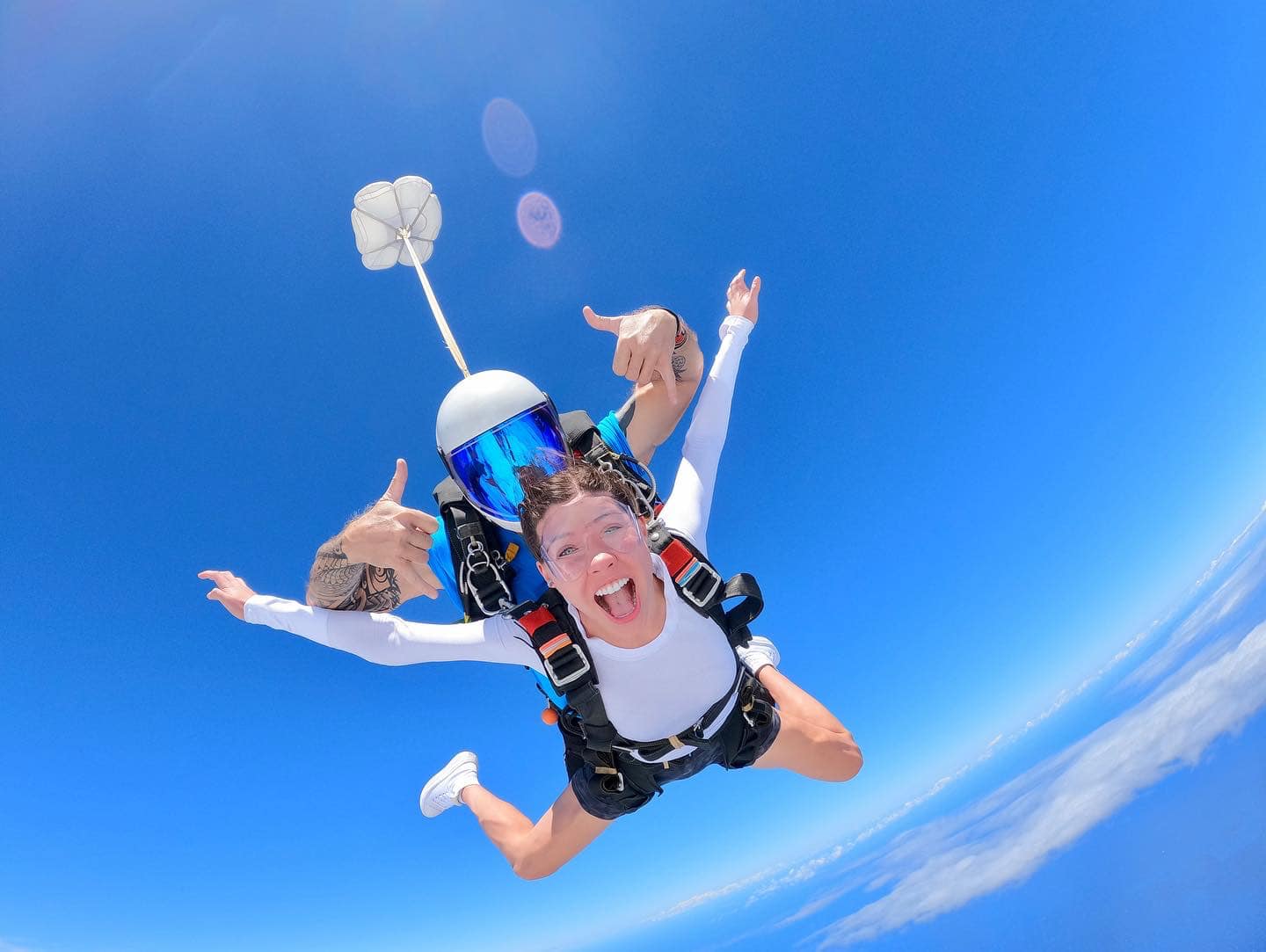
Unforgettable Experience
A unique perspective of the world from high above, combining adventure, preparation, and breathtaking scenery
My Journey to Becoming a Skydiver: From Fear to Freedom
I'll never forget my first skydive. It was in Interlaken, Switzerland, and I was terrified. My hands were shaking so badly I could barely sign the waiver. But when I jumped out of that plane and felt the rush of wind against my face, everything changed. Now, after over 200 jumps across 12 countries, I've experienced some of the most incredible drop zones in the world.
These recommendations won't guarantee the perfect skydiving experience every time, but they have consistently provided me with unforgettable moments across different landscapes and conditions.
What Skydiving Actually Feels Like
People often ask me what skydiving feels like. Is it like falling? Is it scary? The truth is, it's unlike anything else.
On my first jump, I expected to feel that stomach-dropping sensation you get on a roller coaster. But it wasn't like that at all. It was more like floating—weightless, free, and completely present in the moment. The view of the Swiss Alps stretching out below me was something I'll never forget.
Over the years, I've learned that the feeling changes with each jump. Jumping over the Great Barrier Reef felt different than jumping over the Utah desert. Each location offers its own unique perspective and experience.
The Best Skydiving Drop Zones I've Experienced
Interlaken, Switzerland: The Classic
My first jump was here, and it's still one of my favorites. The views of the Jungfrau, Eiger, and Mönch mountains are simply breathtaking. I've jumped here three times now, and each time the experience has been incredible.
What makes it special:
- The scenery is unparalleled—mountains, lakes, and glaciers all in one view
- The instructors are highly experienced and professional
- The drop zone is well-organized and safety-focused
- You can combine your skydive with other adventures like paragliding or canyoning
Queenstown, New Zealand: The Adventure Capital
Queenstown is known as the adventure capital of the world, and for good reason. I jumped here last year, and it was one of the most scenic jumps I've ever done.
What makes it special:
- Views of the Southern Alps and Lake Wakatipu
- The drop zone is located right in the heart of Queenstown
- They offer both tandem and solo jumps
- The weather is generally good for skydiving
Great Barrier Reef, Australia: The Unique
This was one of the most unique skydiving experiences I've had. Jumping over the Great Barrier Reef is unlike anything else—you can see the coral formations and turquoise waters stretching out for miles.
What makes it special:
- The view of the reef from 14,000 feet is incredible
- You can combine your skydive with a reef tour or scuba diving
- The water landing option is a fun alternative to traditional landings
- The instructors are knowledgeable about the reef and its ecosystem
Moab, Utah, USA: The Desert
I jumped here last summer, and it was a completely different experience than the mountain or coastal jumps I've done. The red rock formations of Arches and Canyonlands National Parks are stunning from above.
What makes it special:
- The unique desert landscape is unlike anywhere else
- The wide-open spaces make for easy landings
- The drop zone is located near other outdoor attractions
- The weather is generally sunny and clear
Palm Jumeirah, Dubai: The Urban
This was one of the most surreal skydiving experiences I've had. Jumping over the iconic Palm Jumeirah and seeing Dubai's skyline from above is something everyone should experience at least once.
What makes it special:
- The view of Dubai's skyline and the Palm Jumeirah is incredible
- The drop zone is located right in the heart of Dubai
- They offer high-altitude jumps (up to 18,000 feet)
- The facilities are top-notch and luxurious
Types of Skydiving: What's Right for You?
Over the years, I've tried all types of skydiving, and each has its own appeal.
Tandem Skydiving: For Beginners
This is how I started, and it's perfect for first-timers. You jump attached to an experienced instructor, so you don't have to worry about anything except enjoying the experience.
My tip: Relax and trust your instructor. They've done this hundreds of times before.
Accelerated Freefall (AFF): For Those Wanting to Go Solo
After a few tandem jumps, I decided to get my AFF certification. It's more intensive, but the feeling of jumping solo is incredible.
My tip: Pay attention during ground school. The information you learn there is essential for staying safe and confident during your jump.
Wingsuit Flying: For the Experienced
This is the most advanced form of skydiving, and it's something I'm still working toward. Wingsuit flying allows you to glide through the air like a bird before deploying your parachute.
My tip: Make sure you have plenty of solo jumps under your belt before trying wingsuit flying. This discipline is strictly regulated and should only be pursued through certified training programs.
Safety First: What I Look for in a Drop Zone
Safety should always be your top priority when skydiving. Over the years, I've developed a checklist for evaluating drop zones: (For guidance on choosing comprehensive travel insurance that covers adventure activities like skydiving, check out our travel insurance guide)
- Instructor experience: I look for instructors with at least 500 jumps and proper certifications.
- Safety record: I research the drop zone's safety history and look for any red flags.
- Equipment maintenance: I ask about their equipment maintenance procedures and how often they inspect their parachutes.
- Weather monitoring: I prefer drop zones that have sophisticated weather monitoring systems.
- Emergency procedures: I make sure they have clear emergency procedures in place.
On one occasion in Australia, I decided not to jump because the wind conditions were borderline. It was disappointing, but I knew it was the right decision. Safety should always come before the excitement of the experience.
What to Expect on Your First Jump
I remember my first jump like it was yesterday. Here's what you can expect:
Pre-Jump Preparation
- Paperwork: You'll need to sign a waiver and provide some basic information.
- Training: You'll receive a brief training session covering the basics.
- Equipment: You'll be fitted with a jumpsuit, harness, and helmet.
- Meeting your instructor: You'll meet your instructor and go over the plan.
The Jump
- The climb: The aircraft will climb to the jump altitude (usually 10,000-15,000 feet).
- The door opens: When you reach altitude, the door will open and you'll move to the edge.
- The exit: You'll jump out of the plane attached to your instructor.
- Freefall: You'll freefall for 45-60 seconds at speeds up to 120 mph.
- Parachute deployment: Your instructor will deploy the parachute at around 5,000 feet.
- Canopy flight: You'll glide back to earth for 5-7 minutes, enjoying the views.
- Landing: Your instructor will guide you to a soft landing.
Photography: Capturing the Moment
One of my biggest regrets from my first jump is not getting photos or video. Now, I always opt for the photography package.
What to expect from skydiving photography:
- Handheld cameras: Some instructors carry cameras that capture the entire experience.
- External cameras: Some drop zones have camera flyers who jump with you and capture photos from different angles.
- Quality: The quality of the photos and video has improved dramatically over the years.
- Cost: Photography packages typically cost $50-$150, but they're worth it for the memories.
Cost Considerations: What You'll Spend
Skydiving isn't cheap, but it's worth every penny. Here's what you can expect to spend:
- Tandem skydiving: $200-$400
- Solo certification course: $1,500-$3,000
- Photography package: $50-$150
- Travel and accommodation: Varies by location
My tip: Look for deals and discounts. Many drop zones offer special rates for groups or during off-peak seasons.
Age and Health Requirements
Most drop zones have similar requirements:
- Minimum age: 18 years old (16-17 with parental consent)
- Weight limit: Typically 200-250 pounds
- Health requirements: No serious medical conditions (heart problems, epilepsy, etc.)
- Physical fitness: You need to be able to handle the physical demands of skydiving
Before my jump in Switzerland, I had to fill out a medical questionnaire. It's important to be honest about any health conditions you have.
Weather: The Great Equalizer
Weather is the biggest factor that can ruin your skydiving plans. I've had to reschedule jumps due to weather more times than I can count. For apps that can help you monitor weather conditions and plan your skydiving adventures, check out our guide to travel apps.
Optimal skydiving conditions:
- Winds under 15 mph
- Clear visibility (no fog or low clouds)
- No precipitation
- Stable weather patterns
My tip: Be flexible. If the weather isn't good, reschedule for another day. It's better to wait for good conditions than to jump in marginal weather.
Conclusion: Skydiving Changed My Life
Skydiving has been one of the most transformative experiences of my life. It's taught me to face my fears, trust my instincts, and appreciate the beauty of our planet from a unique perspective.
Whether you're a first-time skydiver or an experienced jumper, there's a drop zone out there that's perfect for you. The key is to do your research, prioritize safety, and most importantly, enjoy the experience.
So what are you waiting for? The sky is calling. And for a comprehensive packing guide that includes essential items for adventure travel, check out our ultimate packing list.
Author Bio
Emma Wilson is a professional skydiver and adventure travel writer with over 200 jumps across 12 countries. She's passionate about sharing her love of skydiving with others and helping them find the perfect drop zone for their needs. When she's not in the air, she can be found exploring new destinations or writing about her adventures.