My Journey to Confident Solo Travel: Safety Lessons Learned the Hard Way
When I took my first solo trip to Paris five years ago, I was terrified. I kept my hotel door locked at all times, avoided eye contact with strangers, and constantly checked over my shoulder. Now, after solo traveling to over 25 countries across Europe, Asia, and Latin America, I've learned that safety isn't about being fearless—it's about being prepared. These aren't just generic safety tips; these are the strategies that have kept me safe through everything from pickpocket attempts in Barcelona to getting lost in Tokyo's back alleys.
These strategies won't guarantee perfect safety every time, but they have consistently helped me feel secure and confident across different destinations and travel styles.
1. Research Like Your Safety Depends On It (Because It Does)
Before my first solo trip to Bangkok, I spent hours researching everything from safe neighborhoods to common scams. It paid off when a taxi driver tried to overcharge me by 300 baht—I knew the fair price and stood my ground.
What I actually research:
- Safety by neighborhood: I use forums like TripAdvisor and travel blogs to learn which areas to avoid, especially at night.
- Common scams: Every destination has its own—from fake taxi drivers to "friendly" locals offering to show you around.
- Local customs: In some countries, certain behaviors can make you a target or cause cultural misunderstandings.
- Emergency contacts: I save the local police, ambulance, and embassy numbers in my phone before I even arrive.
2. Share Your Itinerary (But Not Too Much)
I used to share every detail of my travel plans with friends and family, but I've learned to strike a balance. Now, I share a general itinerary with a trusted person back home and check in daily, but I don't broadcast my exact location to everyone on social media in real-time.
My system:
- I use a shared Google Sheet with my emergency contact that includes flight details, hotel addresses, and planned activities.
- I set a daily reminder to check in via text or WhatsApp—even if it's just a quick "I'm safe, had a great day!"
- I avoid posting photos on social media until after I've left a location.
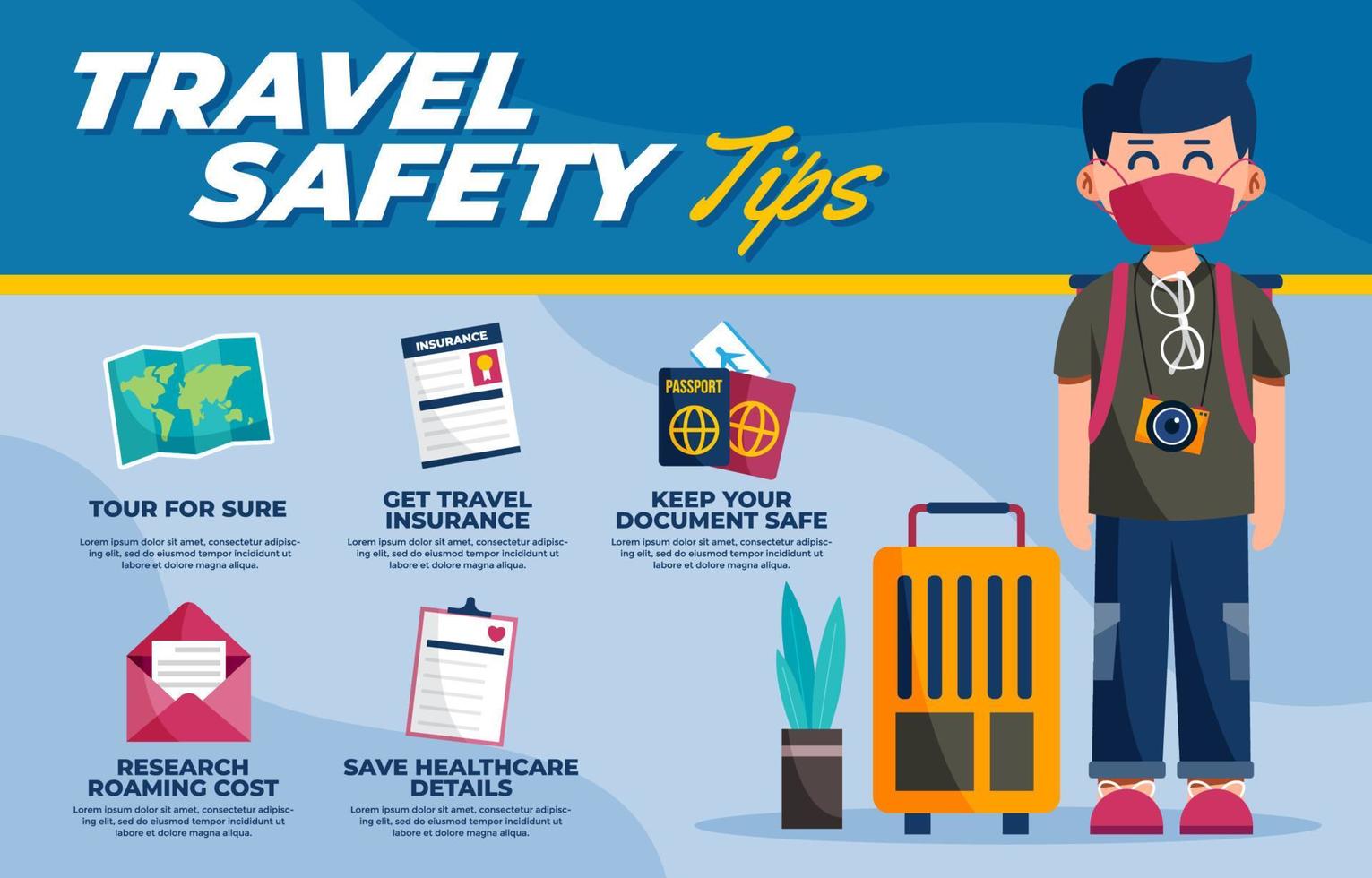
3. Travel Insurance: Non-Negotiable, Even for Short Trips
I used to skip travel insurance to save money, until I broke my ankle while hiking in Iceland. The medical evacuation alone cost over $10,000—fortunately, my insurance covered it. Now I never leave home without it. For more guidance on choosing the right policy, check out our guide to travel insurance.
What I look for in travel insurance:
- Medical coverage (at least $50,000)
- Emergency evacuation
- Trip cancellation/interruption
- Lost or stolen belongings
- 24/7 emergency assistance hotline
4. Stay Connected, No Matter What
In Morocco, I found myself lost in the desert outside Marrakech with no cell service. It was a scary experience, but I had a satellite phone app that allowed me to call for help. Now I always have multiple ways to stay connected.
My communication toolkit: (For more essential travel apps that can enhance your safety and experience, check out our guide to travel apps)
- Local SIM card: My first purchase in any new country—usually $10-20 for a week of data.
- International plan: As a backup, I keep my regular phone plan with international roaming turned off unless I need it.
- Offline maps: I download offline maps of my destination before I arrive using Google Maps or Maps.me.
- Portable charger: A must-have—you don't want your phone dying when you need it most.
5. Document Security: Protect What Matters Most
In Rome, my hotel room was broken into while I was out exploring. They took cash and a few small items, but they didn't get my passport or credit cards—because I kept them in the hotel safe. That incident taught me to be extra careful with my documents.
How I keep my documents safe:
- I make digital copies of my passport, visa, driver's license, and credit cards and store them in a secure cloud service.
- I email copies to myself and my emergency contact.
- I carry a photocopy of my passport when sightseeing, not the original.
- I use a money belt for important documents and cash when I'm out and about.
- I always use the hotel safe for valuables when I'm not carrying them.
6. Situational Awareness: Trust Your Gut
In Buenos Aires, I was walking back to my hotel late one night when a group of men started following me. My gut told me something was off, so I ducked into a busy café and waited until they were gone. Listening to that instinct probably saved me from a bad situation.
How I stay aware:
- I avoid using my phone while walking—it makes you distracted and an easy target.
- I walk with purpose, even if I'm lost.
- I scan my surroundings regularly, especially in crowded areas like markets and train stations.
- I trust my instincts—if a situation feels unsafe, it probably is.
7. Transportation: Choose Wisely
In Istanbul, I made the mistake of getting into an unlicensed taxi. The driver took me on a "scenic route" and charged me three times the fair price. Now I'm much more careful about how I get around.
My transportation rules:
- I only use licensed taxis or ride-sharing services like Uber or Grab.
- I always confirm the price or use the meter before getting in a taxi.
- I avoid public transportation in unfamiliar areas late at night.
- I share my ride details with a friend when taking a taxi alone at night.
- I sit in the back seat of taxis, especially if I'm alone with a male driver.
8. Information Security: Less is More
In Prague, I met a "friendly local" at a café who asked where I was staying and if I was traveling alone. I told him I was meeting friends later, even though I was solo. Later that night, I saw him outside my hotel—coincidence? Maybe, but I'm glad I didn't share too much.
What I don't share with strangers:
- That I'm traveling alone
- Where I'm staying
- My exact travel plans
- How long I'm in town
- That I'm carrying valuables
9. First Aid Kit: Be Your Own First Responder
When I got food poisoning in Vietnam, my first aid kit was a lifesaver. I had medication that helped me recover quickly, without having to navigate a foreign healthcare system while sick.
What's in my first aid kit: (For a comprehensive packing list that includes all these safety essentials, check out our ultimate packing guide)
- Prescription medications (plus extras)
- Over-the-counter meds: pain relievers, anti-diarrheal, antihistamines
- Bandages, gauze, and medical tape
- Antiseptic wipes and cream
- Tweezers and scissors
- Sunscreen and insect repellent
- Rehydration salts
10. Accommodations: Safety First, Comfort Second
For my first solo trip to Lisbon, I booked a cheap hostel in a neighborhood I knew nothing about. It turned out to be in a less safe area, and I didn't feel comfortable walking back alone at night. Now I prioritize safety over price when choosing where to stay.
How I choose safe accommodations:
- I read reviews specifically from solo travelers, especially women.
- I look for places with 24-hour reception or security.
- I choose hotels or hostels in well-lit, busy areas.
- I avoid ground-floor rooms with easy access from the outside.
- I always test the door lock and window latches when I first arrive.
Bonus: Solo Travel Mindset
One of the most important safety tools I've developed is the right mindset. Solo travel is about balance—being cautious but not paranoid, friendly but not naive.
My solo travel mindset rules:
- I approach each day with confidence, but not overconfidence.
- I'm open to meeting new people, but I take time to build trust.
- I celebrate my independence, but I'm not afraid to ask for help when I need it.
- I stay present and enjoy my experiences, rather than constantly worrying about what could go wrong.
Conclusion: Safe Solo Travel is Empowering
Solo travel has been one of the most empowering experiences of my life. It's taught me to trust myself, adapt to new situations, and connect with people from all over the world.
Remember, safety isn't about living in fear—it's about being prepared. By following these strategies, you can enjoy all the freedom and adventure of solo travel while minimizing risks.
Every destination is different, and what works for me might not work for everyone. But these strategies have consistently helped me feel safe and confident on my solo adventures.
So go out there, explore the world on your own terms, and remember—you've got this.
Author Bio
Jessica Martinez is a solo travel expert who has explored over 25 countries across 5 continents. She's learned through firsthand experience how to stay safe while enjoying the freedom of solo travel. When she's not on the road, she shares her tips and stories to help other travelers feel confident exploring the world alone.