My Love-Hate Relationship with Kyoto (And Why I Keep Coming Back)
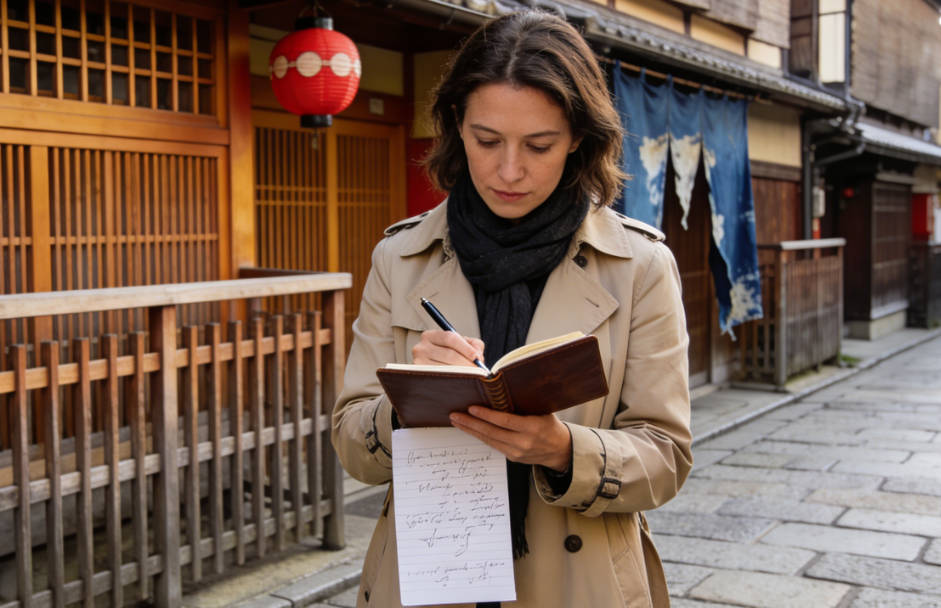
Let me be honest: my first trip to Kyoto wasn't exactly magical. I arrived on a rainy April afternoon, lost my way from the train station, and ended up walking 30 minutes with a heavy backpack in the pouring rain. By the time I found my budget hostel, I was soaked to the bone and questioning why everyone raves about this city.
But that's the thing about Kyoto - it doesn't reveal its magic all at once. It takes time, patience, and a willingness to get a little lost (both literally and figuratively).
Now, after visiting at least once a year for the past decade, I can confidently say it's one of my favorite places on Earth. But I'll never forget that first rainy day, and I think that's part of what makes my connection to the city so strong.
Temples That Wowed Me (And One That Left Me Underwhelmed)
Kyoto is home to over 1,600 temples, so it's impossible to see them all. Over the years, I've visited my fair share, and I've learned that not all temples are created equal - even the famous ones.
Kinkaku-ji (Golden Pavilion) - Worth the Hype
I'll admit, I was skeptical about Kinkaku-ji. How impressive could a gold-covered building really be? But when I first laid eyes on it at sunrise (after waking up at 5 AM to beat the crowds), I was speechless. The way the gold leaf reflects in the pond creates a surreal, almost magical effect.
Pro tip: Visit on a weekday morning in early November when the autumn leaves are at their peak. The contrast between the gold pavilion and the red maple leaves is breathtaking.
Fushimi Inari Taisha - More Than Just the Gates
I made the mistake of only hiking to the first few torii gates on my first visit. Big mistake. The real magic happens when you keep going past the crowds. After about 45 minutes of hiking, I found myself completely alone on a mountain trail lined with thousands of vermilion gates, with only the sound of birds and wind in the trees.
But here's the thing: the hike is steep, and I wasn't prepared. I wore flip-flops (I know, rookie mistake) and only brought a small bottle of water. By the time I reached the summit, my feet were blistered and I was dehydrated. Learn from my mistake - wear proper shoes and bring plenty of water!
Kiyomizu-dera - The One That Left Me Underwhelmed
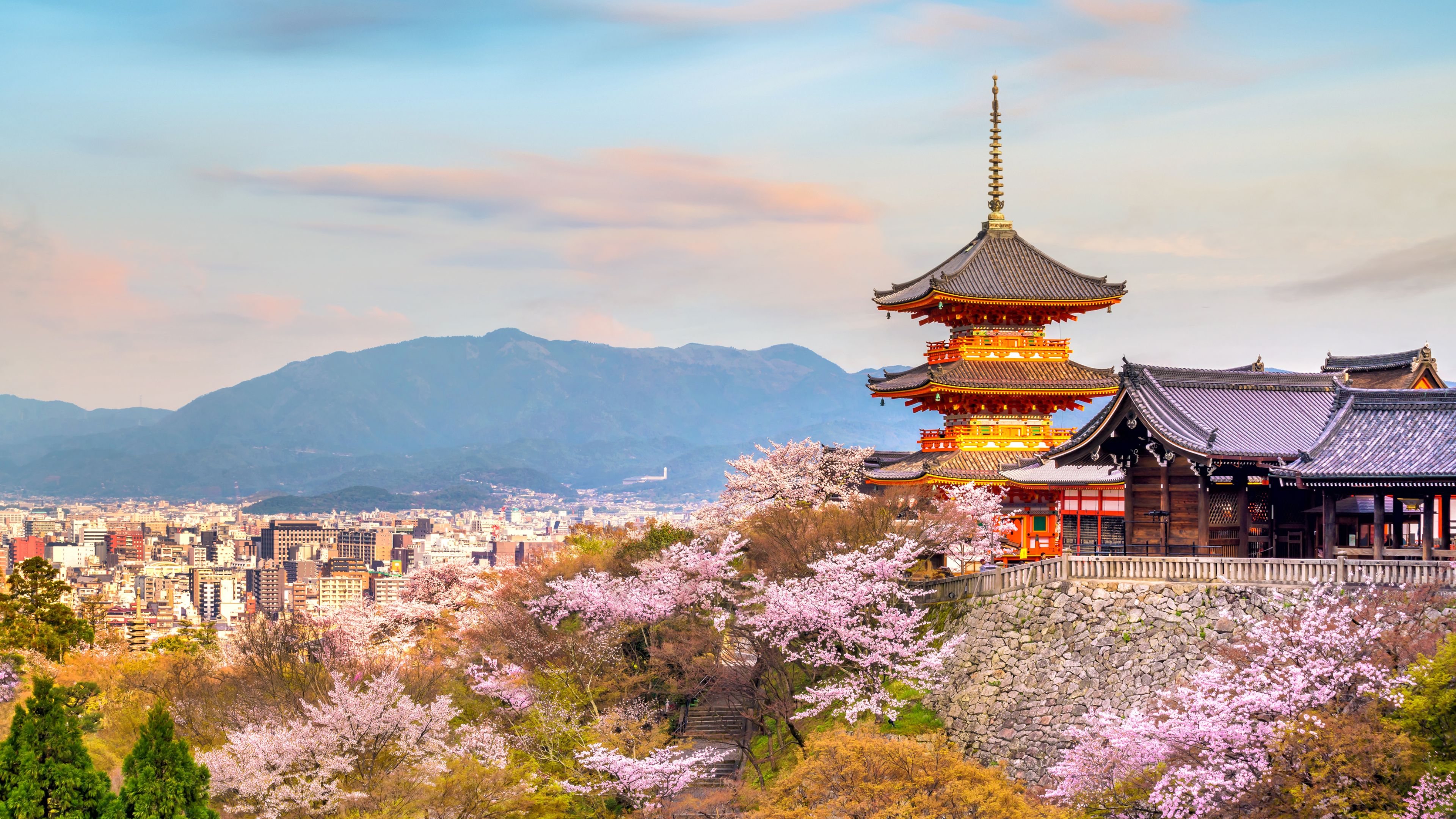
I hate to say it, but Kiyomizu-dera was a bit of a letdown for me. Don't get me wrong, the wooden terrace is impressive, but the crowds were so overwhelming that I could barely move, let alone appreciate the view. I waited 40 minutes just to drink from the famous spring water, and by the time I got there, I was so frustrated that I could barely taste it.
That said, I gave it a second chance on a cold January morning, and it was completely different. The temple was nearly empty, the air was crisp, and I had the entire terrace to myself. It just goes to show that timing is everything in Kyoto.
Arashiyama Bamboo Grove - Early Bird Gets the Serenity
The bamboo grove is one of those places that looks incredible in photos, but can be a disappointment in real life if you visit at the wrong time. I made the mistake of going at 10 AM on a Saturday once, and it was so crowded that I could barely see the bamboo for all the people taking selfies.
But when I went back at 7 AM on a Tuesday, it was like a different world. The path was nearly empty, and the morning light filtering through the bamboo created an ethereal, almost spiritual atmosphere. It's now one of my favorite spots in all of Kyoto.
Questions I Had Before My First Trip (And What I Wish I Knew)
Is Kyoto really worth visiting?
Absolutely - but with a caveat. Kyoto isn't for everyone. If you're looking for glitz and glamour, you might be disappointed. But if you appreciate history, culture, and slow travel, it's one of the most rewarding destinations in the world.
How many days do you really need in Kyoto?
I'd say at least 4-5 days, but more if you can. On my first trip, I only had 3 days, and I felt rushed the entire time. I missed so much, and I left feeling like I hadn't really gotten to know the city.
Is it easy to get around without knowing Japanese?
Yes and no. Major tourist areas have English signs, but I've had my fair share of misadventures. Once, I tried to take the bus to Kiyomizu-dera and ended up going in the opposite direction for 45 minutes before I realized my mistake. Learn basic phrases like "kore wa doko desu ka?" (where is this?) and always have a paper map as backup.
The Truth About Cherry Blossom Season
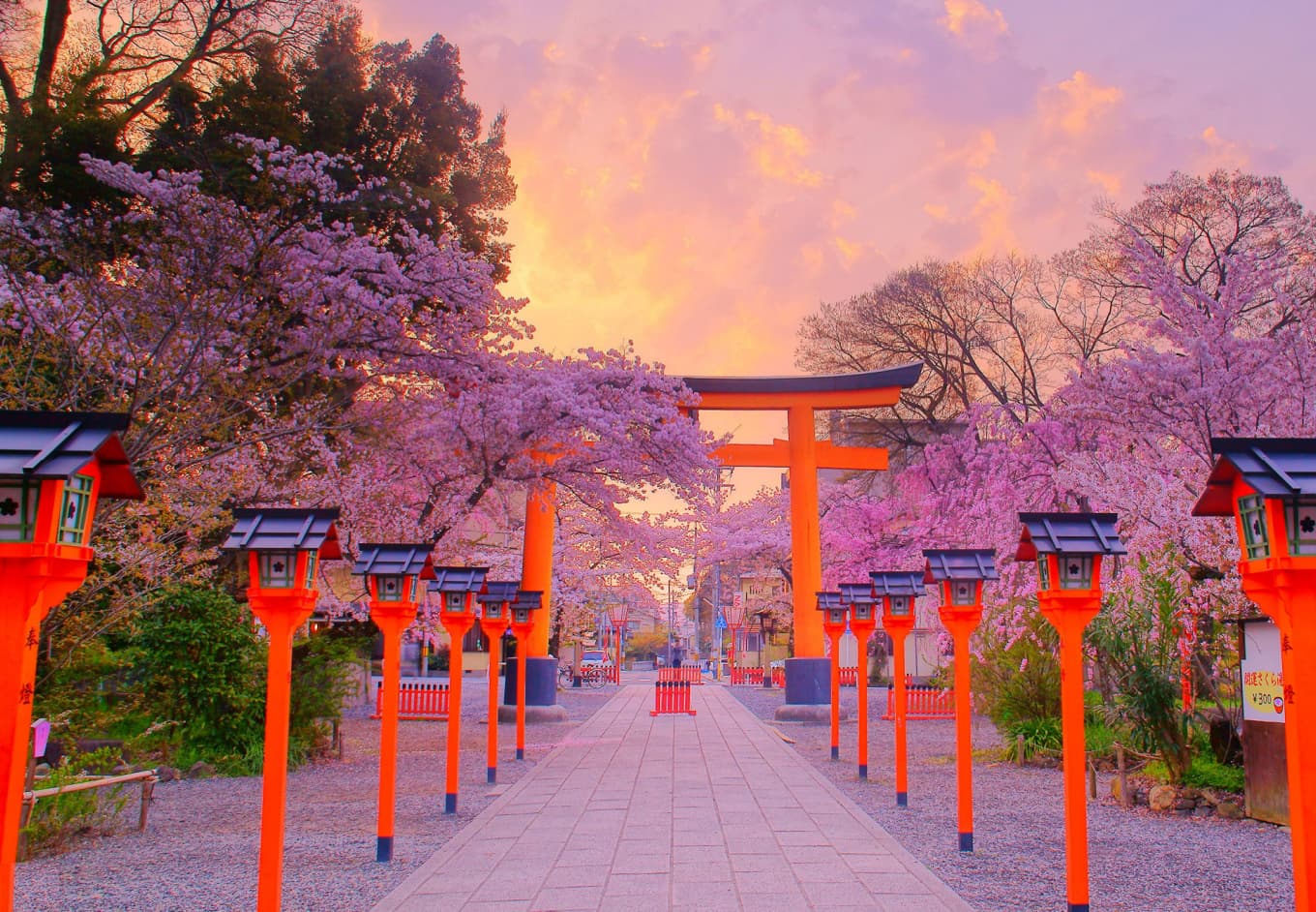
Let me set the record straight: cherry blossom season in Kyoto is both magical and maddening. The blossoms are undeniably beautiful, but the crowds and prices are insane.
On my first cherry blossom trip, I made the mistake of not booking accommodation in advance. I ended up staying in a tiny capsule hotel 30 minutes outside the city because it was the only thing available. It was not glamorous, but it was an adventure.
That said, if you can handle the crowds, cherry blossom season is worth experiencing at least once. My favorite memory is waking up at 4 AM to visit Philosopher's Path before the crowds arrived. The path was empty, the blossoms were covered in a light mist, and it felt like I had the entire city to myself.
Some lesser-known spots for cherry blossom viewing (that aren't as crowded):
- Tofuku-ji Temple (the wooden bridges are stunning with cherry blossoms)
- Daigo-ji Temple (a bit off the beaten path, but worth it)
- Philosopher's Path at dawn (trust me on this one)
And if you can't make it for cherry blossoms, consider visiting in early November for autumn foliage. The crowds are smaller, the prices are lower, and the red maple leaves are just as beautiful.
What to Pack (And What to Leave at Home)
Over the years, I've learned a lot about packing for Kyoto through trial and error. Here's what I actually bring now:
- Comfortable walking shoes: I made the mistake of bringing fashionable but uncomfortable shoes on my first trip. By day three, my feet were covered in blisters. Now I bring sturdy sneakers or walking boots, and my feet thank me.
- Umbrella: Kyoto can be rainy, especially in spring. I've been caught in sudden downpours more times than I can count. A compact umbrella is a must.
- Layered clothing: Temperatures can fluctuate dramatically throughout the day. I've gone from freezing in the morning to sweating by afternoon.
- Portable charger: I take a lot of photos, and my phone battery dies quickly. A portable charger is essential.
- Small backpack: Perfect for carrying water, snacks, and my camera. I used to bring a large tote bag, but it was awkward to carry while walking around temples.
What I regret bringing:
- Fancy clothes: I thought I'd need nice outfits for dinner, but most places are casual. I ended up carrying around a dress I never wore.
- Too many toiletries: Most hostels and hotels provide basics, and you can buy anything you need at convenience stores.
- Guidebooks: They're heavy and most information is available online. I now use a combination of Google Maps and the Japan Travel Guide app.
How to Visit Kyoto Without Breaking the Bank
I've visited Kyoto on everything from a shoestring budget to a more comfortable one, and I can say that you don't need a lot of money to have a great time.
My best budget tips:
- Stay in a hostel: Kyoto has some great hostels, many of which offer private rooms at a fraction of the cost of hotels.
- Get a Kyoto City Bus Pass: It costs ¥700 per day and gives you unlimited rides on city buses. This saved me a ton of money.
- Eat street food: Nishiki Market is a food lover's paradise, and most dishes cost less than ¥500. I've had some of my best meals there.
- Visit free temples: Not all temples charge admission. Some of my favorites, like Ginkaku-ji (Silver Pavilion), are free to enter.
- Walk as much as possible: Kyoto is a very walkable city, and you'll discover hidden gems you'd miss on public transportation.
A Perfect Day in Kyoto (According to Me)
Here's how I'd spend a perfect day in Kyoto, based on years of trial and error:
7:00 AM: Wake up early and head to Arashiyama Bamboo Grove before the crowds arrive. The light at this time is magical, and you'll have the path mostly to yourself.
8:30 AM: Stop for breakfast at a local coffee shop. My favorite is % Arabica in Arashiyama - their Kyoto-style drip coffee is amazing.
9:30 AM: Visit Tenryu-ji Temple, the main temple in Arashiyama. The gardens are stunning, especially in autumn.
11:00 AM: Take the train back to central Kyoto and explore Nishiki Market. Try the takoyaki (octopus balls) and matcha soft-serve.
1:00 PM: Have lunch at a small soba restaurant. I love soba noodles in broth with tempura - it's light and delicious.
2:30 PM: Visit Fushimi Inari Taisha, but don't just stop at the first few gates. Hike all the way to the summit for incredible views of the city.
5:00 PM: Head to Gion for dinner. Try yudofu (tofu hot pot) - it's a Kyoto specialty.
7:00 PM: Wander the streets of Gion in the hope of spotting a geisha or maiko (apprentice geisha). Remember to be respectful and not to photograph them without permission.
8:30 PM: End the day with matcha tea and wagashi (Japanese sweets) at a traditional teahouse. It's the perfect way to unwind after a long day of exploring.