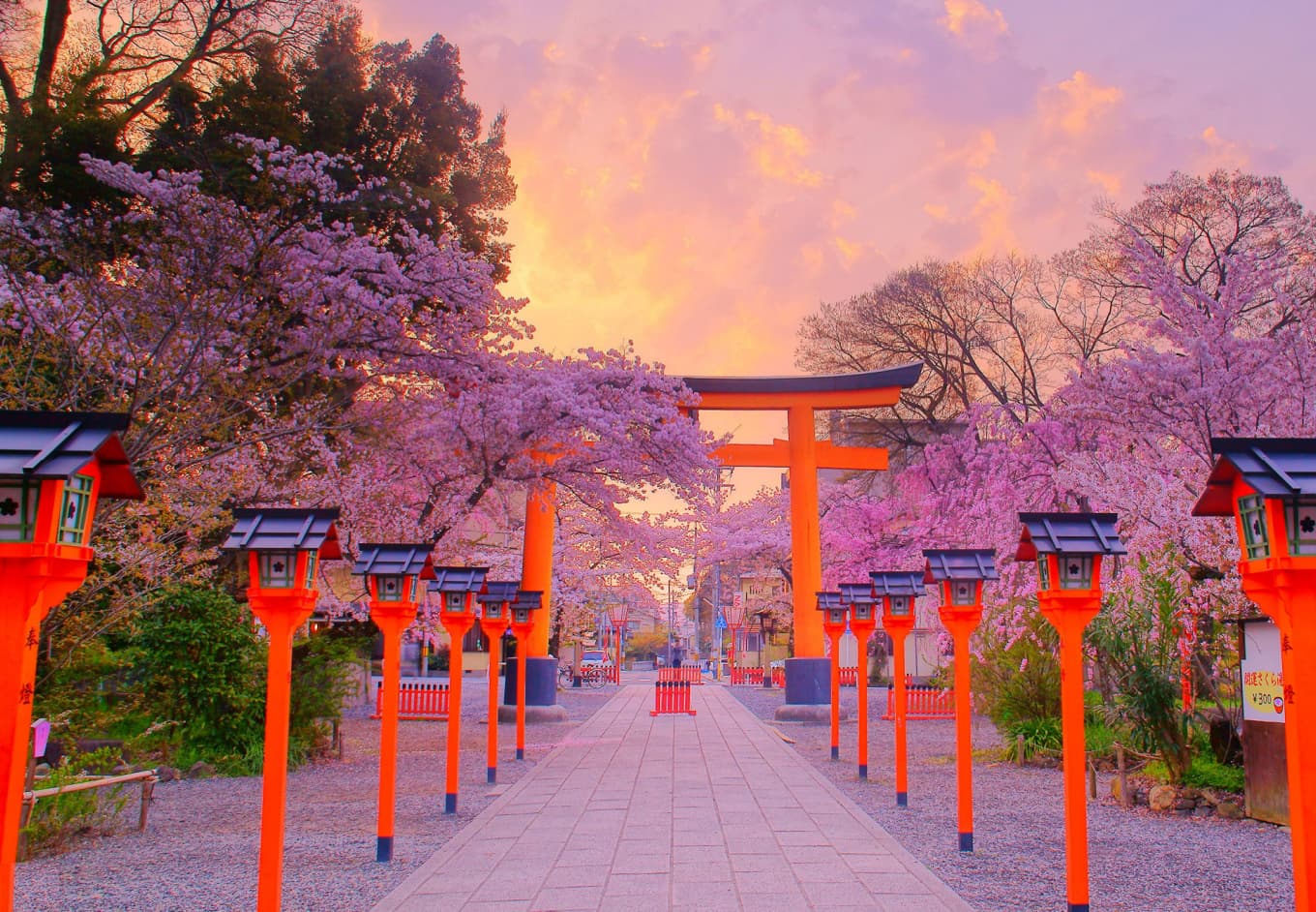
I first experienced Kyoto's cherry blossom season by accident. I'd planned a trip to Japan in early April without realizing it was peak sakura season. What was supposed to be a quick stop in Kyoto turned into a week-long stay that completely changed how I think about spring travel.
Kyoto, Japan's ancient capital, doesn't just "transform" during cherry blossom season—it comes alive. The pink and white blossoms aren't just pretty; they're a catalyst for connection, bringing locals and visitors together in a shared celebration of renewal.
The Year I Almost Missed the Bloom
On my second trip to Kyoto for cherry blossoms, I made a classic mistake: I booked my trip based on average bloom times. I arrived in late March, expecting to see full blossoms, only to find bare branches.
I was devastated—until a local café owner explained that the blooms were running late that year. "Sakura don't follow calendars," she told me, pouring me another matcha latte. "They follow the weather." She gave me a tip that would change my future cherry blossom trips: check the Japan Meteorological Agency's daily bloom forecasts starting 2-3 weeks before your trip.
I extended my stay by three days, and it was worth every penny. When the blossoms finally opened, I was there to witness it—and it was more magical than I could have imagined.
A Hidden Spot Most Tourists Miss (And Why It's My Favorite)
Before we get into the popular spots, I want to tell you about my absolute favorite cherry blossom spot in Kyoto. It's not in any guidebook, and most tourists don't know about it.
It's a small temple called Tofuku-ji, located a bit outside the city center. The temple is famous for its wooden bridges, but during cherry blossom season, it's transformed by the pink blooms.
I discovered it by getting lost on my way to another temple. I followed a path through a residential neighborhood and stumbled upon it by accident. There were only a handful of other visitors, and I spent an hour there, sitting quietly and enjoying the peacefulness.
What I loved most was the way the sunlight filtered through the blossoms onto the wooden bridges. It was like something out of a painting. I didn't take many photos—just sat and watched the light change.
A Small Frustration Most Guides Don't Mention
One thing that surprised me on my third visit was how exhausting the crowds can be. I'd planned a perfect itinerary: Maruyama Park at dawn, then Philosopher's Path, then Nijo Castle.
By midday, I was overwhelmed. The paths were so crowded I could barely move, and every bench was taken. I ended up hiding in a small café off the main path, drinking matcha and watching people rush by.
It sounds silly, but that's the thing about cherry blossom season—everyone wants to see it at the same time. It's beautiful, but it can also be stressful.
Best Time to Visit (Based on My Experience)
Cherry blossoms typically bloom in Kyoto from late March to early May, but the exact timing varies every year. Here's what I've learned:
If you're looking for more general advice on planning your trip, be sure to check out our guide on how to plan the perfect trip in 8 simple steps .
- Early Season (Late March): Sometimes the blooms start early if winter is mild. I've seen partial blooms as early as March 20th.
- Peak Season (Early to Mid-April): This is when most years see full bloom. But be flexible—one year I visited April 10th and saw full blooms, while the next year the same date only had 30% bloom.
- Late Season (Late April to Early May): If you miss peak season, some varieties bloom later, especially in higher elevations.
My best tip? Don't lock in your travel dates too early. I now book refundable accommodations and keep an eye on the forecasts, ready to adjust my trip by a few days if needed.
Top Cherry Blossom Spots (From Someone Who's Been There Too Many Times)
Maruyama Park: The Heart of Hanami
Maruyama Park is indeed one of the most popular hanami spots, but there's a trick to enjoying it without the crowds. I've found that going early in the morning (before 8 AM) or late in the evening (after 7 PM) gives you the park almost to yourself.
The park's centerpiece is a massive weeping cherry tree that's over 100 years old. When it's in full bloom, it looks like a pink waterfall cascading to the ground. I've spent hours sitting beneath it, watching locals picnic and children play.
One year, I even joined a local family for their hanami picnic. They didn't speak much English, and I didn't speak much Japanese, but we shared food and smiles as we watched the sun set through the blossoms.
Some Photography Tips (That I Actually Use)
I'm not a professional photographer, but I've taken more photos of cherry blossoms than I care to admit. Here are a few things I've learned:
- Golden Hour is Your Friend: The light at sunrise and sunset makes the pink blossoms glow. I once woke up at 5 AM to photograph Philosopher's Path at sunrise, and it was worth the early wake-up call.
- Look for Reflections: Ponds, canals, and even puddles can create beautiful reflections of cherry blossoms. The reflecting pool at Heian Shrine is particularly stunning.
- Incorporate People: Cherry blossoms are more than just flowers—they're about people coming together. Some of my favorite photos include locals picnicking, children playing, and couples taking wedding photos.
Philosopher's Path: A Peaceful Escape (If You Go at the Right Time)
Philosopher's Path is a 2-kilometer walking path along a canal, lined with hundreds of cherry trees. It's named after the philosopher Nishida Kitaro, who used to walk here daily.
My favorite time to visit is mid-morning on a weekday. I'll start at one end with a coffee from a nearby café and walk slowly to the other end, stopping to take photos and watch the ducks in the canal. One year, I even saw a traditional wedding procession along the path—an unexpected bonus.
But be warned: on weekends, it's packed. I made the mistake of going on a Sunday once, and it was so crowded I could barely move. If you can only go on a weekend, try to get there before 9 AM.
Nijo Castle: History and Blossoms Combined
Nijo Castle is a UNESCO World Heritage site with beautiful cherry trees within its grounds. But here's what most guidebooks don't tell you: the best cherry blossom viewing at Nijo Castle is actually outside the main entrance, along the moat.
I arrived early one morning to beat the crowds and was rewarded with the sight of cherry blossoms reflected in the moat, with the castle's traditional architecture in the background. It's one of my favorite photos from any trip to Japan.
One Afternoon That Didn't Go As Planned (But Still Was Perfect)
One afternoon, I planned to visit three cherry blossom spots in a row. I only made it to one.
Between the crowds, sore feet, and an unexpected rain shower, I ended up sitting in a convenience store with a hot coffee, watching petals stick to the sidewalk outside.
At first, I was frustrated. I'd wasted half a day. But then I started talking to the convenience store clerk, who told me about his favorite cherry blossom spot near his house.
He even drew me a map. I never found the spot he told me about, but that conversation is one of my favorite memories from that trip.
Cultural Activities That Go Beyond the Surface (But Not All Are Perfect)
Hanami (cherry blossom viewing) parties are a big part of the season, but there's more to experience than just picnicking under trees. Some of these activities are amazing, and some are just... okay.
One of my most memorable experiences was participating in a traditional tea ceremony at a machiya (wooden townhouse) surrounded by cherry blossoms. The tea master explained how cherry blossoms are incorporated into Japanese tea culture, and we drank matcha while watching the blossoms through paper screens.
But I also did a cherry blossom cruise once that was a total disappointment. The boat was crowded, the commentary was in Japanese (which I don't speak), and the view wasn't much better than what I could see from the shore. I might be wrong, but I think these cruises are mostly for tourists who don't want to walk.
Another highlight was attending a local festival in Arashiyama, where residents dressed in traditional clothing and paraded through the streets with cherry blossom decorations. I even got to try my hand at making sakura mochi (cherry blossom rice cakes) with a local family.
My mochi looked terrible—lumpy and misshapen—but they tasted delicious. The grandmother of the family laughed and said, "They don't have to be perfect to be good." That's probably the best travel advice I've ever gotten.
Photography Tips (From Someone Who's Taken Too Many Photos)
I'm not a professional photographer, but I've learned a few tricks over the years that make a big difference:
- Golden Hour is Your Friend: The light at sunrise and sunset makes the pink blossoms glow. I once woke up at 5 AM to photograph Philosopher's Path at sunrise, and it was worth the early wake-up call.
- Look for Reflections: Ponds, canals, and even puddles can create beautiful reflections of cherry blossoms. The reflecting pool at Heian Shrine is particularly stunning.
- Incorporate People: Cherry blossoms are more than just flowers—they're about people coming together. Some of my favorite photos include locals picnicking, children playing, and couples taking wedding photos.
- Don't Forget the Details: Close-up shots of individual blossoms, petals on the ground, and even cherry blossom petals floating in tea can be just as beautiful as wide shots of entire trees.
Travel Tips That Will Make Your Trip Smoother
Book Accommodations Early
This can't be overstated. Cherry blossom season is the busiest time of year in Kyoto, and hotels book up months in advance. I now book my accommodations 6-8 months ahead of time, and I always choose refundable options in case the bloom times shift.
Consider Staying in a Ryokan
I've stayed in both hotels and ryokans (traditional Japanese inns) during cherry blossom season, and the ryokan experience is far superior. Not only do you get traditional Japanese accommodations, but many ryokans offer special cherry blossom meals and activities.
One ryokan I stayed at even had a private garden with cherry trees, where they served breakfast each morning. Waking up to cherry blossoms outside my window and enjoying miso soup and pickles while surrounded by pink blooms is one of my most treasured travel memories.
Get Around Like a Local
Kyoto's public transportation is excellent, but during cherry blossom season, buses can get very crowded. I've found that renting a bicycle is the best way to get around—you can easily stop at multiple cherry blossom spots in one day, and you'll avoid the crowds.
For more tips on getting around efficiently during your travels, check out our guide to essential road trip tips for a smooth journey .
Just be sure to follow the rules: ride on the left, obey traffic signals, and park your bike only in designated areas. Most ryokans and hotels offer bike rentals, or you can rent from one of the many shops around the city.
What I Wish I Knew Before My First Cherry Blossom Trip
- Pack layers. Spring in Kyoto can be unpredictable—one morning it might be 45°F (7°C), and by afternoon it could be 70°F (21°C).
- Bring comfortable walking shoes. You'll be doing a lot of walking to see all the cherry blossom spots.
- Don't try to see everything. I made this mistake on my first trip, and I ended up exhausted. Pick 3-4 top spots and take your time enjoying them.
- Try cherry blossom-themed foods and drinks. From sakura lattes to cherry blossom ice cream, there are plenty of seasonal treats to try.
- Be respectful. Cherry blossom season is important to locals, so be mindful of noise levels, don't pick blossoms, and follow the rules at temples and shrines.
- Embrace the unexpected. Some of my best cherry blossom experiences weren't planned—like the time I got caught in a light rain and watched cherry blossom petals fall like pink snow.
Final Thoughts: Why Kyoto's Cherry Blossom Season Is Worth the Effort
After visiting Kyoto during cherry blossom season multiple times, I've come to realize that it's not just about the flowers. It's about the feeling—the sense of renewal, the joy of shared experience, and the beauty of slowing down to appreciate nature.
Yes, it's crowded. Yes, it's more expensive. Yes, you have to be flexible with your plans. But it's all worth it when you're sitting under a cherry tree, surrounded by pink blossoms, and sharing a picnic with strangers who quickly become friends.
Kyoto's cherry blossom season isn't just a "travel experience"—it's a life experience. It's a reminder that some of the best things in life can't be planned to the exact day, and that sometimes the most memorable moments are the ones that happen when things don't go according to plan.
I'll keep coming back to Kyoto for cherry blossoms as long as I can. And each time, I'll be ready to adjust my plans, follow the blooms, and embrace whatever magic the season brings.
Questions Readers Often Ask Me
After writing about Kyoto's cherry blossom season, I get a lot of questions from readers. Here are the most common ones:
Is it worth visiting Kyoto just for cherry blossoms?
Yes, but with a caveat. If you're only going for a few days and the blooms aren't at their peak, you might be disappointed. But if you can be flexible with your travel dates and stay for at least a week, it's absolutely worth it.
How far in advance should I book accommodations?
For cherry blossom season, I recommend booking 6-8 months in advance. And always choose refundable options—bloom times can change, and you might need to adjust your trip.
Can I see cherry blossoms elsewhere in Japan if I miss Kyoto?
Absolutely! Cherry blossoms bloom at different times across Japan. If you miss Kyoto, you can try Tokyo, Osaka, or even northern Japan like Hokkaido (where blooms happen later).
Tokyo has some beautiful cherry blossom spots too, and if you're interested in hidden gems in Tokyo, be sure to check out our guide to Tokyo hidden gems for more off-the-beaten-path spots.
Is it really that crowded?
Yes, it's crowded. But it's manageable if you plan ahead. Go early in the morning, visit less popular spots, and be prepared to wait in lines at popular attractions.
What should I pack for cherry blossom season?
Layers! The weather can be unpredictable. Bring a light jacket, umbrella, comfortable walking shoes, and a camera (of course).
For more general packing tips that work for any trip, check out our guide to 10 genius packing tips for light travelers .
About the Author
Dr. Sophia Chen is a travel writer and Japan enthusiast who has visited Kyoto more than 10 times, including 5 cherry blossom seasons. She's written for several regional travel publications and independent blogs about Japanese culture and travel.
You can learn more about her travels on her author page.
Update Information
This guide was last updated in February 2026 based on my most recent visit to Kyoto in April 2025.
Bloom times and conditions can change, so please check the Japan Meteorological Agency's official forecasts before planning your trip.