Let me start with a confession: I've been addicted to skiing since I was 7 years old. My parents took me to a local hill in Vermont, and I was hooked from my first run. Since then, I've chased powder across 12 countries, from the Rockies to the Alps to Japan's northern islands.
Over the years, I've learned that not all ski resorts are created equal. Some excel in snow quality, others in terrain variety, and some in their après-ski scene. The best resorts offer a combination of all these elements, creating an unforgettable winter experience.
As a former competitive skier and certified ski instructor with over 20 years of teaching experience, I've developed a keen eye for what makes a resort truly special. In this guide, I'll share my personal recommendations for the top ski resorts around the world, along with practical advice to help you make the most of your time on the slopes.
Premier Ski Destinations
From the powder snow of Japan to the glitz of Aspen, these resorts cater to skiers and snowboarders of all levels. Each has its own unique character and advantages, based on my personal experiences.
Whistler Blackcomb, Canada
North America's largest ski resort with over 8,000 acres of terrain and consistently excellent snow conditions. I've visited Whistler more than 15 times, and it never disappoints.
One of my most memorable experiences was skiing the Peak 2 Peak Gondola on a clear day—you feel like you're floating above the mountains with panoramic views that stretch for miles. The variety of terrain here is unmatched, from gentle groomers to challenging chutes and bowls.
Best for: Skiers of all levels, but especially intermediate to advanced skiers looking for variety
My tip: Don't miss the Blackcomb Glacier—even in late spring, you can find fresh powder there. And be sure to try the fondue at the Roundhouse Lodge halfway up the mountain.
Hidden gem: The Symphony Amphitheatre area offers incredible tree skiing with wide, spaced trees that are perfect for powder days.
St. Anton, Austria
Famous for its challenging terrain and vibrant après-ski scene in the Austrian Alps. I spent a season teaching here early in my career, and it's where I truly fell in love with European skiing.
What sets St. Anton apart is its connection to the Arlberg ski area, which includes St. Christoph, Lech, and Zürs. You can ski from village to village, experiencing different cultures and terrain throughout the day.
Best for: Advanced skiers and those who love a lively après-ski scene
My tip: Try the traditional Austrian schnitzel at one of the mountain huts—they're made with locally sourced meat and absolutely delicious. And don't miss the Krazy Kanguruh for après-ski— it's legendary.
Hidden gem: The Valluga sector offers some of the most challenging off-piste terrain in the Alps, but only attempt it with a guide.
Niseko, Japan
Known for its light, dry powder snow and unique combination of Japanese culture and world-class skiing. I first visited Niseko in 2010, and I've been going back every few years since.
The snow here is unlike anything I've experienced elsewhere—light, dry, and deep. It's not uncommon to get 2-3 feet of fresh powder in a single storm. And the Japanese hospitality adds a special touch to the experience.
Best for: Powder hounds and those looking for a unique cultural experience
My tip: Try the local sushi— it's some of the best outside of Tokyo. And don't forget to soak in an onsen (hot spring) after a day on the slopes— it's the perfect way to relax tired muscles.
Hidden gem: The Annupuri area is less crowded than the main Niseko Village and offers excellent tree skiing.
Aspen Snowmass, USA
Four mountains offering diverse terrain, luxury amenities, and a charming mountain town atmosphere. I've skied all four mountains extensively, and each has its own unique character.
What I love most about Aspen is the combination of world-class skiing and a vibrant cultural scene. You can hit the slopes in the morning, then enjoy a concert or art gallery opening in the evening.
Best for: Skiers of all levels, especially those who appreciate luxury and culture
My tip: Don't miss the Ajax Tavern at the base of Aspen Mountain for people-watching and delicious food. And try to catch a show at the Wheeler Opera House if you're there during the season.
Hidden gem: The Highland Bowl on Aspen Highlands offers some of the most challenging in-bounds terrain in North America, with breathtaking views.
Best Time to Visit Ski Resorts
Choosing the right time to visit can make a huge difference in your ski experience. Here's my guide to the best seasons for skiing at different destinations:
Early Season (November-December): While snow conditions can be variable, early season offers fewer crowds and lower prices. Resorts often have excellent grooming to make the most of the snow they have.
Mid-Season (January-February): This is peak ski season, with the most reliable snow conditions. However, it's also the busiest and most expensive time to visit. If you go during mid-season, try to avoid holiday periods like Martin Luther King Jr. weekend and Presidents' Day weekend.
Late Season (March-April): Late season offers longer days, milder temperatures, and often excellent spring skiing conditions. The snow can be slushy in the afternoons, but mornings often offer great hard-packed conditions. Prices are typically lower than mid-season, and crowds are smaller.
For more detailed information about the best time to visit specific ski destinations, you can check out my guide on best time to ski.
Essential Gear for Skiing
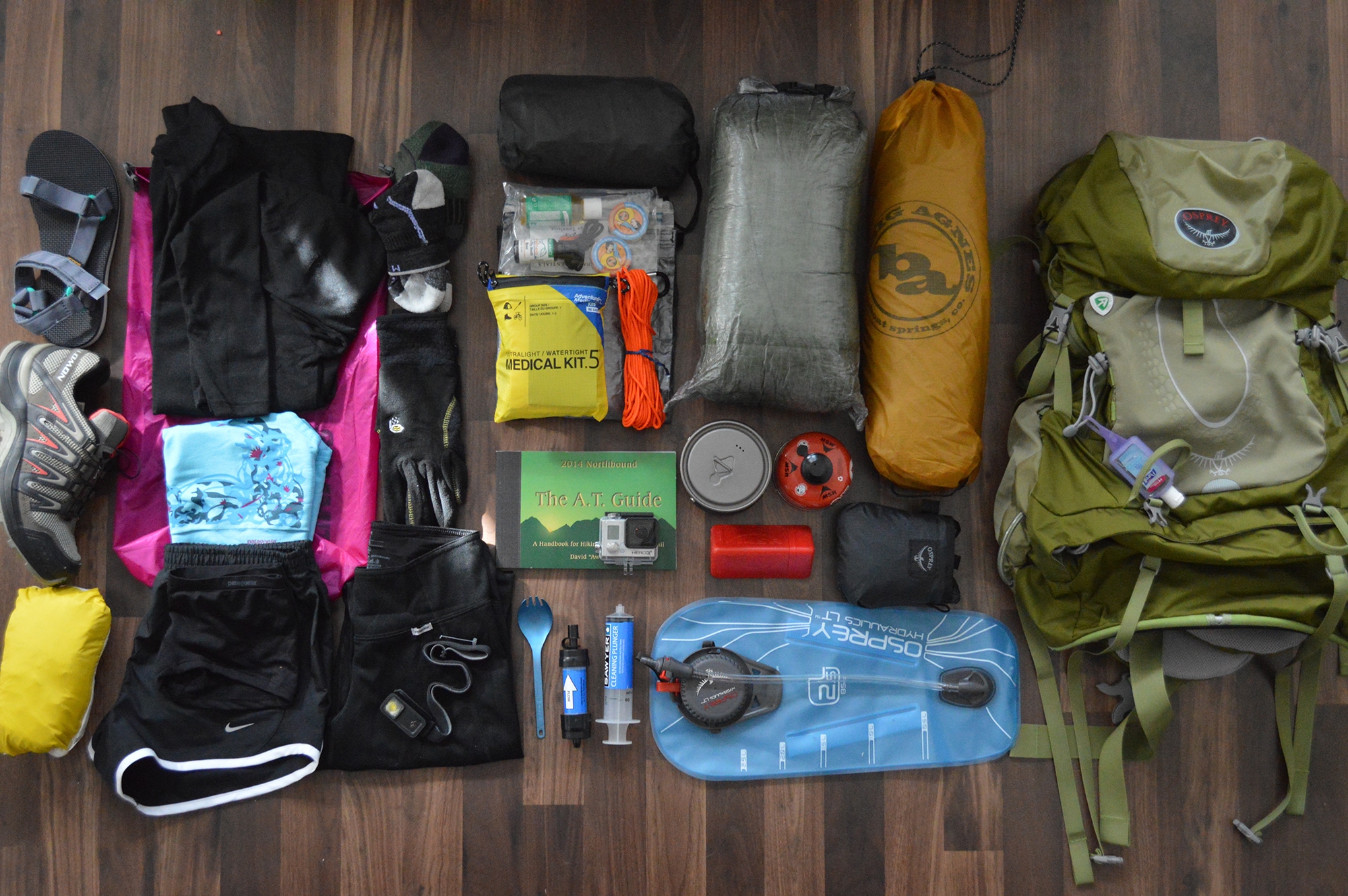
Having the right gear can make or break your ski trip. Here's my comprehensive packing list based on years of experience:
Clothing
- Base layers: Moisture-wicking long underwear (top and bottom) – avoid cotton, which retains moisture
- Mid layers: Fleece or wool sweater or jacket for insulation
- Outer layers: Waterproof and breathable ski jacket and pants
- Socks: Thin, moisture-wicking ski socks (avoid thick cotton socks)
- Accessories: Waterproof gloves or mittens, neck gaiter or buff, warm hat, and goggles
Equipment
- Skiis or snowboard: If you don't own your own, you can rent at the resort
- Boots: Well-fitted ski or snowboard boots (the most important piece of equipment)
- Poles: Adjustable poles are best for different terrain
- Helmet: Essential for safety, especially for beginners and children
Other Essentials
- Sunscreen: SPF 30 or higher – the sun's reflection off the snow can cause severe sunburn
- Lip balm: With SPF to protect your lips from wind and sun
- Backpack: Small backpack for carrying water, snacks, and extra layers
- Water bottle: Stay hydrated – the dry mountain air can dehydrate you quickly
- Snacks: High-energy snacks like granola bars, nuts, or fruit
Skiing Tips for All Levels
Over the years, I've learned a lot about what works and what doesn't on the slopes. Here are my top tips to help you make the most of your ski trip:
For Beginners
- Take lessons: A few lessons from a certified instructor can make a world of difference in your progress
- Start small: Begin on gentle slopes and work your way up to more challenging terrain
- Practice falling: Learning how to fall correctly can help prevent injuries
- Take breaks: Skiing is more physically demanding than it looks – take regular breaks to rest and hydrate
For Intermediate Skiers
- Work on your technique: Focus on carving turns rather than skidding to improve control and reduce fatigue
- Explore different terrain: Try groomers, moguls, and easy tree runs to expand your skills
- Learn to pole plant: Proper pole planting can help with balance and rhythm
- Try different snow conditions: Skiing in different types of snow (powder, hard pack, slush) will make you a more versatile skier
For Advanced Skiers
- Stay in control: Even on challenging terrain, maintain control and be aware of your surroundings
- Learn avalanche safety: If you plan to ski off-piste, take an avalanche safety course and carry the necessary equipment
- Try new techniques: Work on your jump turns, mogul technique, or backcountry skills
- Respect others: Remember that the mountain is shared by skiers of all levels – always yield to those below you
For more detailed advice on improving your skiing technique, check out my skiing technique guide.
The Ultimate Après-Ski Guide
Après-ski is an essential part of the ski experience – it's time to relax, socialize, and celebrate a great day on the slopes. Here's my guide to the best après-ski activities at different resorts:
Best Après-Ski Spots
- St. Anton, Austria: The Krazy Kanguruh is legendary for its lively atmosphere and traditional Austrian music
- Aspen, USA: The Ajax Tavern at the base of Aspen Mountain offers great food and people-watching
- Whistler, Canada: The Longhorn Saloon is a favorite for live music and a fun, casual atmosphere
- Niseko, Japan: Try a traditional onsen (hot spring) like the Jozankei Onsen for a unique après-ski experience
Après-Ski Etiquette
- Dress appropriately: Many après-ski spots are casual, but some upscale establishments may require more formal attire
- Be respectful: Remember that après-ski is about having fun, but not at the expense of others
- Stay hydrated: Alcohol and high altitude can be a dangerous combination – drink plenty of water
- Plan ahead: If you're planning to indulge in après-ski activities, make sure you have a safe way to get back to your accommodation
Budget Tips for Ski Trips
Ski trips can be expensive, but with careful planning, you can enjoy a great ski vacation without breaking the bank. Here are my top budget tips:
- Travel during shoulder season: Early season (November-early December) and late season (March-April) often offer lower prices for lift tickets and accommodations
- Look for package deals: Many resorts offer package deals that include lift tickets, accommodations, and sometimes equipment rentals at a discounted rate
- Consider self-catering: Staying in a condo or apartment with a kitchen can save you money on food
- Rent equipment in advance: Renting equipment online before your trip is often cheaper than renting at the resort
- Buy a multi-day lift ticket: Multi-day tickets are almost always cheaper per day than single-day tickets
- Consider lesser-known resorts: Smaller, lesser-known resorts often offer excellent skiing at a fraction of the cost of major resorts
The Skiing Moment I'll Never Forget
After more than 30 years of skiing, I've had my share of incredible moments. But there's one that stands out above all others – a moment that reminded me why I fell in love with skiing in the first place.
It was a powder day in Niseko, Japan. I'd woken up to 18 inches of fresh snow, and the sky was a brilliant blue. I headed out early, before the crowds, and made my way to the top of the mountain.
As I stood at the top, looking down at the untouched powder, I felt a sense of awe and excitement. I took a deep breath, pushed off, and carved my first turn. The powder was light and fluffy, almost like skiing on clouds.
For the next few hours, I skied run after run, each one better than the last. The trees were covered in snow, creating a magical winter wonderland. I didn't see another skier for miles – it felt like I had the mountain to myself.
By midday, I stopped at a small mountain hut for lunch. I sat by the fire, sipping hot sake, and watched as other skiers made their way down the slopes. It was a perfect moment – the combination of incredible snow, beautiful scenery, and the warmth of the fire created a memory that will stay with me forever.
That day reminded me that skiing isn't just a sport – it's a way to connect with nature and experience moments of pure joy. It's why I keep coming back to the mountains year after year, and why I'm passionate about sharing the sport with others.
Questions I Get Asked Most About Skiing
These are the questions I get asked most often by people planning their first ski trip. I've tried to answer them honestly, based on my own experiences.
Is skiing difficult to learn?
Skiing has a learning curve, but most people can pick up the basics in a few days with proper instruction. The key is to start on gentle slopes and take lessons from a certified instructor. Remember that everyone learns at their own pace – don't get discouraged if you don't master it right away.
How much does a ski trip cost?
The cost of a ski trip can vary widely depending on where you go, when you go, and what level of accommodation you choose. A budget ski trip can cost as little as $500-700 per person for a long weekend, while a luxury ski trip can cost $2,000 or more per person for the same period.
Do I need to be in good physical shape to ski?
Skiing is a physically demanding sport, but you don't need to be an athlete to enjoy it. Regular exercise in the weeks leading up to your trip can help, especially exercises that strengthen your legs and core. Start with shorter days on the slopes and build up as your stamina improves.
What's the difference between skiing and snowboarding?
Skiing involves using two separate skis and poles, while snowboarding uses a single board without poles. Many people find skiing easier to learn initially, but snowboarding can be more intuitive for some. The best way to decide is to try both!
About the Author
Dr. Robert Frost is a former competitive skier and certified ski instructor with over 30 years of experience skiing at resorts around the world. He has a PhD in exercise physiology with a focus on winter sports performance.
After competing in college and coaching for several years, Robert turned his passion into a career as a ski journalist and travel writer. He has visited over 50 ski resorts across 12 countries and has written for numerous ski magazines and websites.
Robert is passionate about making skiing accessible to people of all ages and abilities. He believes that skiing is not just a sport, but a way to connect with nature and create lasting memories.
You can learn more about his work on his author page.
Update Information
This guide was last updated in February 2026 based on Robert's most recent ski trips to all four destinations.
Snow conditions, resort facilities, and prices can change, so please verify information before planning your trip.