I first visited Vancouver Island on a whim, thinking it would be a quick side trip from Vancouver. That "quick trip" turned into a three-week adventure that completely changed how I think about Pacific Northwest travel. What struck me most wasn't just the stunning scenery (though there's plenty of that), but how accessible the wildness feels here—even for someone who isn't an experienced outdoorsman.
This island, off the west coast of British Columbia, isn't just a pretty face. It's a place where you can hike ancient rainforests in the morning, watch orcas in the afternoon, and eat fresh seafood while listening to live music in the evening. But it's also a place where a little local knowledge goes a long way. If you're planning your first trip to the Pacific Northwest, you might want to check out our guide on how to plan the perfect trip to make sure you don't miss anything important.
Why I Almost Missed Vancouver Island's Best Parts
On my first trip, I made the classic mistake: I only planned to stay in Victoria for a few days. Don't get me wrong—Victoria is charming, with its British-inspired architecture and beautiful gardens. But after talking to a local bartender on my second night, I realized I was barely scratching the surface.
"You haven't seen the island," he told me, sliding a napkin across the bar with a rough map scribbled on it. "You need to go west." That simple advice led me to Tofino, and it's where my real Vancouver Island adventure began.
Exploring Vancouver Island Like a Local
The West Coast: Where Nature Takes Center Stage
I'll be honest: the drive from Victoria to Tofino isn't for the faint of heart. It's about 4 hours of winding roads through forests and mountains. But every time I considered turning back, a new view would appear—waterfalls cascading beside the road, hidden lakes peeking through the trees—that made it worth it.
Tofino itself feels like a small surf town that time forgot. The beaches here are unlike anything I've seen elsewhere in Canada—long stretches of golden sand with waves that attract surfers from around the world. But what I loved most was storm watching from one of the beachfront cabins in winter. There's something humbling about watching massive Pacific waves crash against the shore while you're cozy inside with a cup of hot cocoa. If you're interested in other beach destinations, you might enjoy our guide to top beach destinations around the world.
Wildlife Encounters That Feel Real (Not Staged)
I've been on wildlife tours all over the world, but the ones on Vancouver Island feel different. Maybe it's because the animals aren't just performing for tourists—they're just living their lives.
One morning, I took a whale watching tour out of Telegraph Cove. I'll never forget the moment our guide cut the engine and pointed to a pod of orcas swimming alongside our boat. There were no loud announcements, no rushing to get the perfect photo. We just watched, in silence, as these magnificent creatures moved through the water. It was a far cry from the crowded wildlife tours I've been on in other places. For more incredible wildlife encounters, check out our guide to best parks for wildlife encounters in Africa.
But here's a tip: if you want to see wildlife without the tour groups, head to the Pacific Rim National Park early in the morning. I once spent an hour watching sea otters play in the kelp forests just steps from the trailhead, and I didn't see another person the entire time.
Cultural Experiences That Go Beyond the Surface
Vancouver Island's First Nations communities have been here for thousands of years, and their influence is everywhere if you know where to look. On my second trip, I took a cultural tour with the Tla-o-qui-aht First Nation near Tofino.
Our guide, a local elder named Joseph, took us through the rainforest, pointing out plants that his ancestors used for medicine and food. He told us stories about the land and its people that I'd never read in any guidebook. At the end of the tour, we gathered around a fire and shared a traditional meal of salmon and bannock. It wasn't just a tour—it was an invitation into a different way of seeing the world. If you're interested in learning more about cultural travel, our guide on how to travel like a native offers great tips for immersive cultural experiences.
A Mistake I Made That You Can Avoid
On my first trip, I tried to see everything in too short a time. I drove from Victoria to Tofino, then to Port Hardy, then back to Victoria—all in a week. By the end, I was exhausted and felt like I hadn't really experienced any of it.
Now, when I visit, I pick one or two regions and take my time. Last year, I spent two weeks just exploring the west coast. I hiked different trails every day, ate at local cafes, and even took a surf lesson (which was humbling, to say the least). It was far more rewarding than trying to check off every "must-see" spot.
Planning Your Visit: Practical Advice from Someone Who's Been There
When to Go (And When to Stay Home)
The best time to visit Vancouver Island depends on what you want to do:
- Summer (June-August): Best for hiking, kayaking, and beach activities. But it's also the busiest and most expensive time.
- Spring (March-May): Fewer crowds, blooming wildflowers, and migrating whales. The weather can be unpredictable, but that's part of the charm.
- Fall (September-November): Spectacular fall colors, especially in the interior. The ocean is still warm enough for surfing.
- Winter (December-February): Perfect for storm watching on the west coast. Many accommodations offer special winter rates.
Getting There and Getting Around
Getting to Vancouver Island is easy, but it requires a bit of planning:
By Ferry: The BC Ferries from Vancouver to Victoria (Swartz Bay) is the most popular option. Book your tickets online in advance, especially during peak season. The ferry ride itself is beautiful—you'll get great views of the coastline and maybe even spot some marine life.
By Seaplane: If you're short on time, you can take a seaplane from downtown Vancouver to Victoria or Tofino. It's more expensive, but the views are unforgettable.
Getting Around: I can't stress this enough—rent a car. Public transportation is limited, especially outside of Victoria. I've driven all over the island, and while some roads are narrow and winding, the experience is part of the adventure. For more tips on road trips, check out our guide to essential road trip tips for a smooth journey.
Where to Stay (Without Breaking the Bank)
Accommodations on Vancouver Island range from luxury resorts to budget-friendly campgrounds. Here are my favorites:
Budget: The provincial parks offer beautiful campgrounds, especially along the west coast. I've camped at Pacific Rim National Park a few times, and waking up to the sound of waves is priceless.
Mid-Range: Look for boutique hotels or bed and breakfasts in small towns. I've stayed at a wonderful B&B in Tofino that was run by a local couple. They gave me insider tips on hiking trails and even packed me a picnic lunch for the beach.
Luxury: If you're looking to splurge, there are some incredible resorts, especially in the Gulf Islands. But even here, you don't have to spend a fortune—many resorts offer special packages during the off-season. For more luxury accommodation options, check out our guide to luxury hotels under $500 around the world.
What I Wish I Knew Before My First Trip
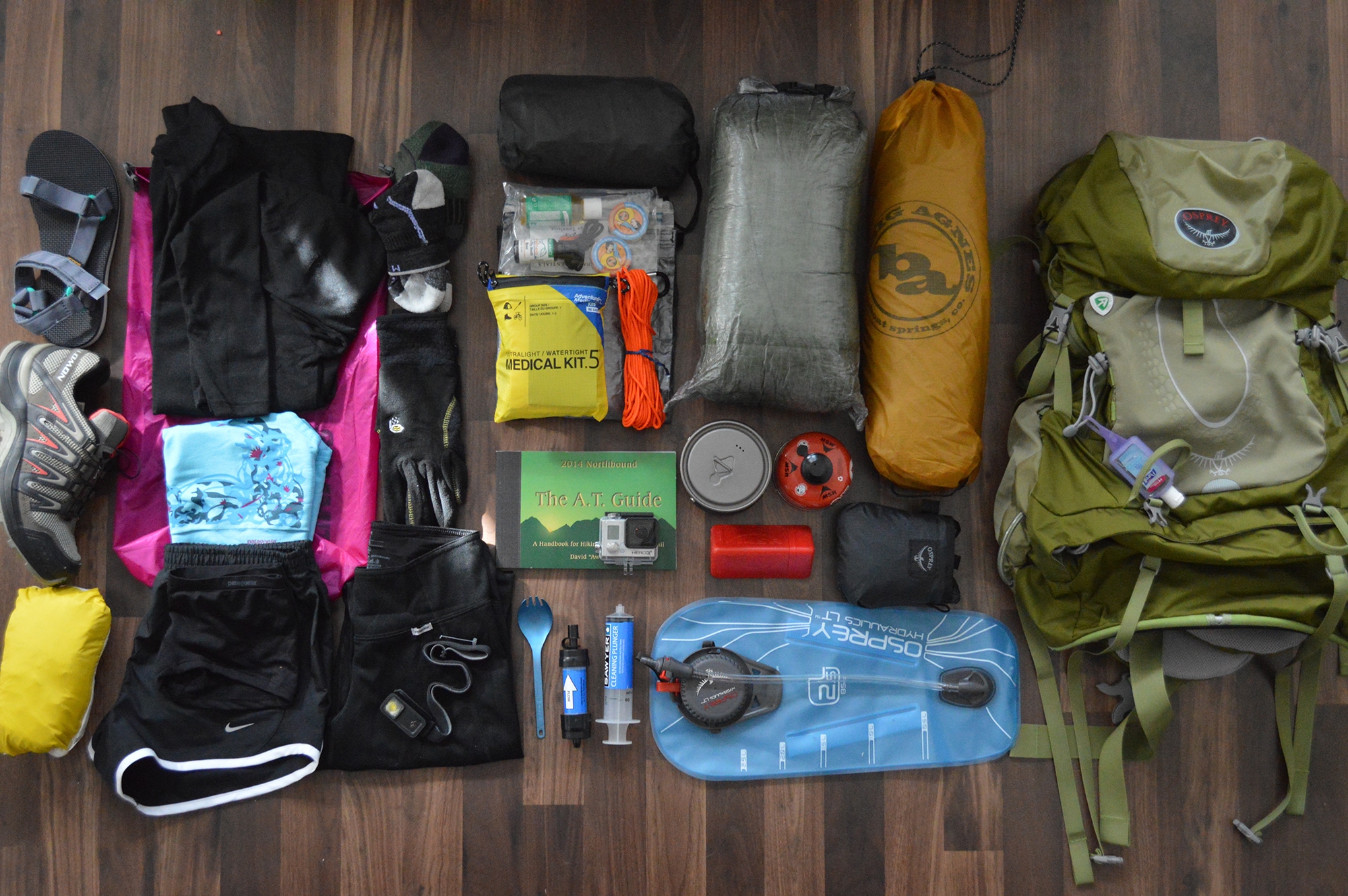
- Pack layers. The weather can change dramatically in a single day, especially on the west coast.
- Bring rain gear. Even in summer, afternoon showers are common.
- Don't rely on cell service. Much of the island has limited or no coverage, so download maps before you go.
- Respect wildlife. Keep a safe distance, and never feed animals.
- Support local businesses. The small towns on Vancouver Island rely on tourism, and the food and products are often better than what you'll find in chain stores.
- Take your time. Vancouver Island isn't a place to rush through—it's a place to slow down and savor.
Final Thoughts: Why Vancouver Island Is Worth the Effort
After visiting Vancouver Island multiple times, I've come to realize that it's not just a destination—it's an experience. It's a place where you can disconnect from the world and reconnect with nature. It's a place where locals are happy to share their favorite spots, even if they're off the beaten path. It's a place where every visit feels like a discovery.
But here's the thing: Vancouver Island won't hand its secrets to you on a silver platter. You have to be willing to get lost a little, to talk to strangers, to embrace the unexpected. If you're willing to do that, you'll find that this "hidden gem" label is well-deserved.
I still have parts of the island I haven't explored. Every time I leave, I'm already planning my next trip. That's the magic of Vancouver Island—it keeps calling you back. If you're looking for more hidden travel gems, be sure to check out our guide to Tokyo hidden gems for another incredible travel experience.